.png)
Author | SHENGWO Industry Insights Team
Updated | October 2026
Contents
Sheet metal surface finishing is an important part of modern metal manufacturing. Beyond improving appearance, the right finishing process can help protect metal components against corrosion, wear, oxidation, and environmental exposure.
For OEM manufacturers, equipment suppliers, and industrial buyers, choosing the right sheet metal surface finishing method can directly affect product durability, appearance, maintenance requirements, and total manufacturing cost.
Different applications require different surface properties. An electrical enclosure used indoors may need a durable powder-coated finish, while an aluminum component may benefit from anodizing. Stainless steel panels may require brushing for a consistent decorative appearance, and some metal parts may need electroplating to meet specific functional requirements.
This guide introduces five common metal surface finishing methods, explains their advantages and limitations, and provides practical advice for selecting the right finish for custom sheet metal fabrication projects.
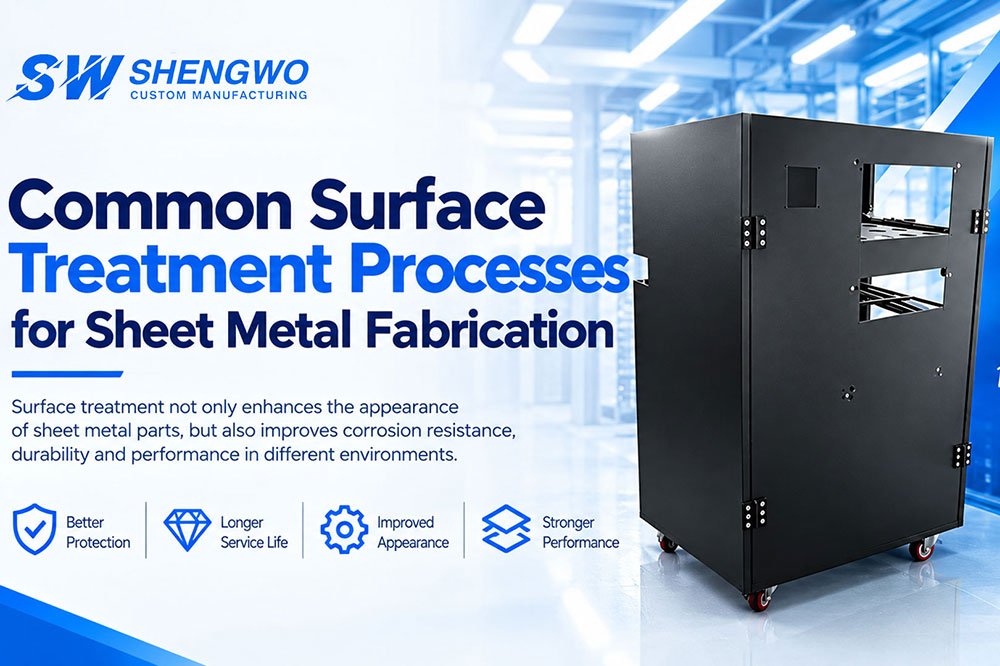
Sheet metal surface finishing refers to processes applied to the surface of a metal component to improve its appearance, protection, or functional performance.
Depending on the material and application, finishing may involve mechanical treatment, chemical treatment, electrochemical processes, or the application of a protective coating.
Common objectives include:
Surface finishing is commonly used for electrical cabinets, HVAC components, industrial equipment housings, retail shelving, mounting brackets, and CNC machined parts.
The best process depends on the base material, operating environment, appearance requirements, expected service life, and project budget.
Metal brushing is a mechanical finishing process that uses abrasive belts, brushes, or other suitable tools to create fine, directional lines on a metal surface.
Unlike mirror polishing, which aims to produce a highly reflective finish, brushing creates a more uniform satin appearance with visible linear grain.
This makes it a popular option for stainless steel and aluminum components where both appearance and surface consistency matter.
The metal surface is treated with abrasive materials to produce a consistent grain pattern.
The final appearance depends on factors such as abrasive type, grit size, processing direction, pressure, and the original surface condition.
For components that require a uniform appearance across multiple panels, the brushing direction and finishing procedure should remain consistent.
Metal brushing is frequently used for:
Brushing primarily changes the surface appearance; it does not automatically provide the same corrosion protection as a dedicated coating or conversion treatment.
For stainless steel, the appropriate grade and surface condition remain important for corrosion resistance. For aluminum, the operating environment may determine whether additional treatment is needed.
If the component will be exposed to moisture, chemicals, or outdoor conditions, brushing may need to be combined with another suitable protective process.
Sandblasting and shot blasting are abrasive blasting processes that propel media against a metal surface to remove contamination or modify its texture.
The term sandblasting is commonly used to describe abrasive blasting, although modern processes may use alternative media rather than silica sand. Shot blasting generally uses harder particles, often metallic shot or grit, depending on the application.
These processes can help remove rust, scale, old coatings, and surface contaminants while creating a more uniform texture.
Blasting equipment accelerates abrasive media toward the workpiece.
The impact removes unwanted surface material and can create a controlled surface profile. The resulting texture depends on the media, particle size, pressure or velocity, exposure time, and the material being treated.
Abrasive blasting is often used for:
Blasting does not automatically make a metal component corrosion-resistant.
After blasting, exposed steel may require prompt application of a suitable protective coating to prevent flash rusting. The selected blasting media and process must also be compatible with the base material and the required surface condition.
For thin sheet metal, excessive blasting intensity may distort the part or create unwanted surface damage.
If the final component will be powder-coated or painted, surface preparation should be selected according to the coating manufacturer’s requirements.
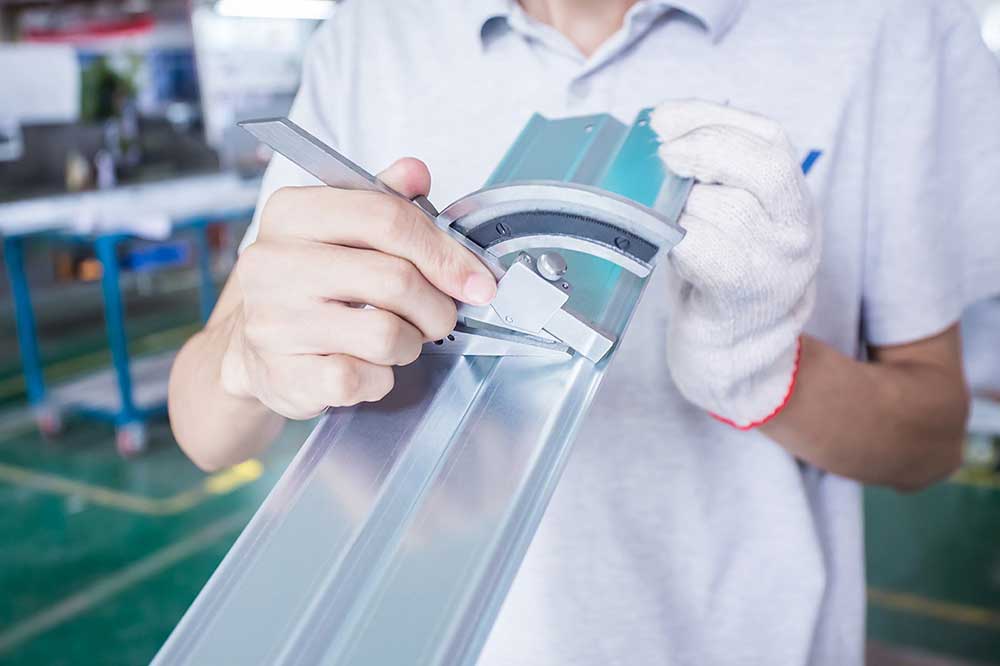
Powder coating is a widely used finishing method for sheet metal components that require a durable, attractive, and relatively uniform protective layer.
The process applies dry powder to the prepared metal surface, typically using an electrostatic spray system. The coated component is then heated under specified conditions so the powder melts, flows, and cures into a continuous film.
A typical powder coating process includes:
Proper surface preparation and curing are essential for achieving the intended coating performance.
Powder coating is commonly used for:
Powder coating performance depends on the base material, pretreatment, coating chemistry, film thickness, curing conditions, and operating environment.
For outdoor applications or corrosive environments, the coating system should be selected based on the required protection level rather than color alone.
Designers should also consider areas that may be difficult to coat, such as deep recesses, narrow gaps, and complex assemblies. Threaded holes, grounding points, and electrical contact surfaces may require masking or other specific treatment.
Powder coating is a strong choice when a project needs both a controlled appearance and a protective finish.
Anodizing is an electrochemical process used primarily for aluminum and its alloys. It converts the metal surface into a controlled oxide layer that is integrated with the underlying aluminum.
Unlike paint or powder coating, anodizing does not simply add a separate organic film. Instead, it creates an oxide layer through an electrochemical treatment.
Anodizing can improve surface hardness and wear performance, while also increasing corrosion resistance when the process and sealing conditions are appropriate.
The aluminum component is immersed in a suitable electrolyte and connected to an electrical circuit.
The electrochemical process forms an oxide layer on the surface. Depending on the process, the finish may be left natural, dyed, or sealed.
The final appearance and performance depend on the aluminum alloy, anodizing type, coating thickness, color treatment, and sealing method.
Anodizing is widely used for:
Anodizing is primarily suitable for aluminum and certain other metals under specialized processes; it is not a general-purpose finishing method for all sheet metals.
The response to anodizing varies by aluminum alloy, and color consistency can be more difficult across different alloys or material batches.
Because anodizing transforms the surface, it may also affect dimensions. Critical dimensions, threaded features, and mating surfaces should be considered during design.
For custom CNC machined aluminum parts, the anodizing specification should be confirmed before machining so that dimensions and surface requirements can be planned together.
Electroplating deposits a layer of one metal onto another through an electrochemical process.
Depending on the application, the deposited metal may be zinc, nickel, chromium, or another suitable material.
Electroplating can improve corrosion resistance, appearance, electrical characteristics, or surface behavior. However, the performance depends heavily on the plating metal, coating thickness, substrate, pretreatment, and intended service environment.
The component is prepared and immersed in an electrolyte containing metal ions. An electrical current drives the deposition of the selected metal onto the workpiece surface.
Depending on the required specification, additional treatments such as passivation or sealing may follow the plating process.
Electroplating may be used for:
Different plating metals serve different purposes.
For example, zinc plating is commonly used to protect suitable steel parts against corrosion, while nickel plating may be selected for appearance, wear, or functional surface requirements.
Chromium plating varies by process and application; decorative chromium plating and hard chromium plating should not be treated as interchangeable.
Plating also requires consideration of environmental regulations, coating thickness, adhesion, and potential dimensional changes. For parts exposed to demanding environments, the required corrosion performance should be clearly specified and validated.
Electroplating is most appropriate when the project has a defined functional or appearance requirement that the selected plating system can meet.
The following table summarizes the main differences between these finishing processes.
| Finishing Method | Main Purpose | Common Materials | Typical Applications |
|---|---|---|---|
| Metal brushing | Decorative linear texture | Stainless steel, aluminum | Panels, covers, visible components |
| Sandblasting / shot blasting | Surface cleaning and preparation | Steel and other suitable metals | Welded frames, coated components |
| Powder coating | Protective and decorative coating | Steel, aluminum with suitable pretreatment | Electrical cabinets, shelving, enclosures |
| Anodizing | Surface oxide formation | Primarily aluminum | CNC parts, aluminum housings |
| Electroplating | Deposit a functional or decorative metal layer | Depends on plating system and substrate | Hardware, fittings, selected precision parts |
No single finishing method is best for every project. The right choice depends on the base material, corrosion exposure, appearance requirements, dimensional constraints, and budget.
Selecting a finishing process should begin with the component’s actual function and operating environment.
Different metals respond differently to surface treatments.
For example, aluminum can be anodized, while steel components may require a suitable pretreatment and protective coating. Stainless steel may benefit from brushing when appearance is important, but the selected surface finish should still match the corrosion environment.
Confirm the material grade before specifying the finishing process.
Consider whether the component will be used:
A decorative finish may be sufficient for some indoor products, while outdoor or industrial applications may require a more carefully validated corrosion-protection system.
Define the required color, gloss, texture, and visual consistency.
For powder coating, specify the color standard and desired finish. For brushed metal, identify the grain direction and appearance requirements. For anodized aluminum, specify the required anodizing type and color where applicable.
Reference samples can help align expectations between the buyer and manufacturer.
Surface treatments can affect dimensions, particularly when coatings or deposited layers add material to the surface.
For precision components, critical dimensions, threaded holes, grounding points, and mating surfaces should be reviewed before finishing.
Where necessary, the design can include masking requirements or finishing allowances.
The most expensive finish is not necessarily the most suitable one.
The correct choice balances initial cost with durability, appearance, maintenance, and service-life expectations.
Discussing these requirements with the manufacturer early can help avoid unnecessary treatments or a finish that does not meet the actual application needs.
Even a suitable finishing method can produce poor results if the requirements are unclear or the process is not properly controlled.
Common mistakes include:
A clear drawing and finishing specification should define the required appearance, performance, inspection criteria, and any areas that must remain untreated.
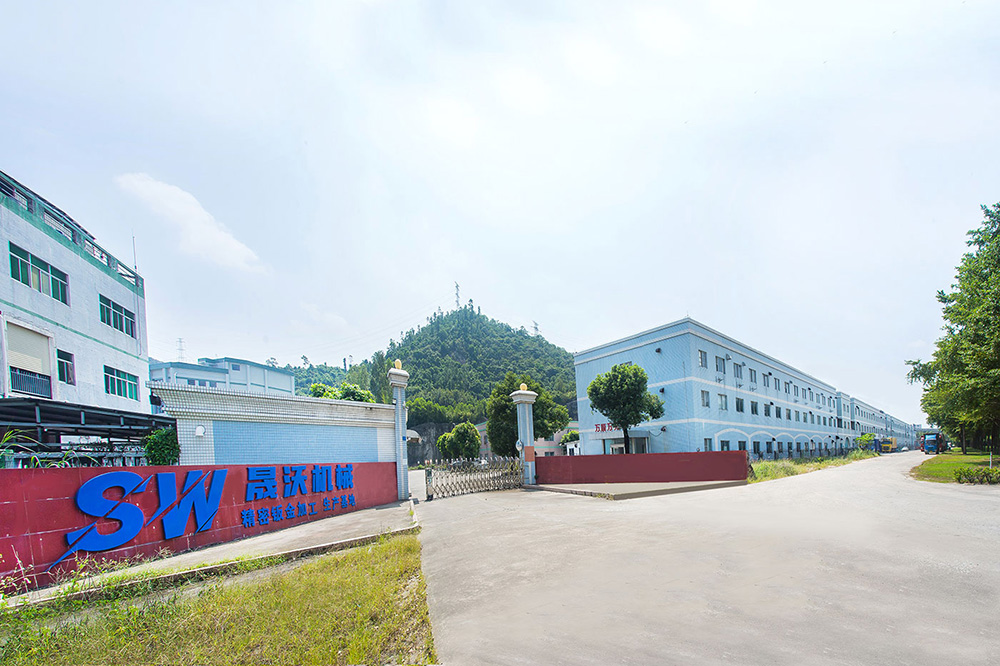
SHENGWO MACHINERY provides custom sheet metal fabrication and CNC machining for global OEM and industrial customers. Our products and manufacturing projects include electrical enclosures, HVAC components, custom metal structures, and retail shelving.
Our manufacturing processes include:
For projects requiring specific surface treatments, customers can provide drawings, material specifications, color requirements, corrosion-resistance expectations, dimensional tolerances, and estimated quantities for engineering review.
Our team can review the relationship between the base material, fabrication process, surface treatment, and final assembly requirements to help identify a suitable manufacturing approach.
For example, an electrical enclosure may require a protective powder-coated finish, while a CNC machined aluminum component may require anodizing. The appropriate specification depends on the component’s function and operating environment.
By considering finishing requirements during the design and quotation stages, manufacturers and buyers can better coordinate the production process and reduce the risk of avoidable rework.
Q1:What is the most common surface finish for sheet metal?
Powder coating is widely used for fabricated steel and aluminum components that require a protective and decorative finish. However, brushing, blasting, anodizing, and electroplating may be more suitable for other materials or applications.
Q2:Which surface finishing method is best for corrosion resistance?
There is no single best method for every metal and environment. Corrosion performance depends on the base material, pretreatment, finishing system, coating thickness, sealing, and service conditions. The complete system should be selected and validated against the project’s requirements.
Q3:Can aluminum sheet metal be powder-coated or anodized?
Yes. Aluminum can be powder-coated or anodized, but the processes provide different surface characteristics. Powder coating adds an organic coating layer, while anodizing creates an electrochemically formed oxide layer integrated with the aluminum surface.
Q4:Does sheet metal surface finishing affect dimensional accuracy?
Yes. Powder coating and electroplating add material to the surface, while anodizing changes the aluminum surface through oxide formation. Critical dimensions, threaded features, and mating surfaces should be considered before finishing.
Q5:What information should I provide for a sheet metal surface finishing quotation?
Provide the part drawing or 3D CAD file, base material, material thickness, required finish, color or texture, corrosion-resistance requirements, critical dimensions, quantity, and intended operating environment. This information helps the manufacturer evaluate the appropriate process.
The right sheet metal surface finishing method does more than improve the appearance of a metal component. It can also influence corrosion protection, wear performance, dimensional accuracy, maintenance, and service life.
Metal brushing creates a consistent decorative texture. Abrasive blasting prepares surfaces for subsequent treatment. Powder coating provides a versatile protective and decorative layer. Anodizing is particularly suitable for aluminum, while electroplating can deliver specific functional or metallic surface properties.
The best choice depends on the base material, working environment, performance requirements, dimensional constraints, and total manufacturing cost.
For custom sheet metal fabrication and CNC machining projects, defining the surface finishing requirements early helps align design, manufacturing, and inspection.
Need custom sheet metal parts with the right surface finish?
Send your drawings or 3D CAD files to SHENGWO MACHINERY, together with your material, finish, color, tolerance, quantity, and application requirements.
Our team can review your project and provide a suitable manufacturing approach and quotation.
SHENGWO MACHINERY — From your drawings to reliable manufactured parts.
No. 8803 Zhuhai Road, LianWan Industry Park, Jinwan District, 519090 Zhuhai, Guangdong, China