.png)

Author | SHENGWO Industry Insights Team
Updated | August 2026
Contents
Welding is one of the most important processes in custom sheet metal fabrication. It directly affects product strength, appearance, durability, and manufacturing cost.
A common question among engineers and manufacturers is:
Which is easier to weld, aluminum or stainless steel?
Generally speaking, stainless steel is easier to weld than aluminum.
This is because stainless steel has a higher melting point and better stability during welding. Aluminum has a lower melting point and naturally forms an oxide layer on its surface, making welding more challenging.
However, weldability depends not only on material type but also on welding methods, design structure, and application requirements.
As a professional Sheet Metal Fabrication Manufacturer, SHENGWO MACHINERY provides welding solutions for stainless steel, aluminum, carbon steel, and customized metal components.
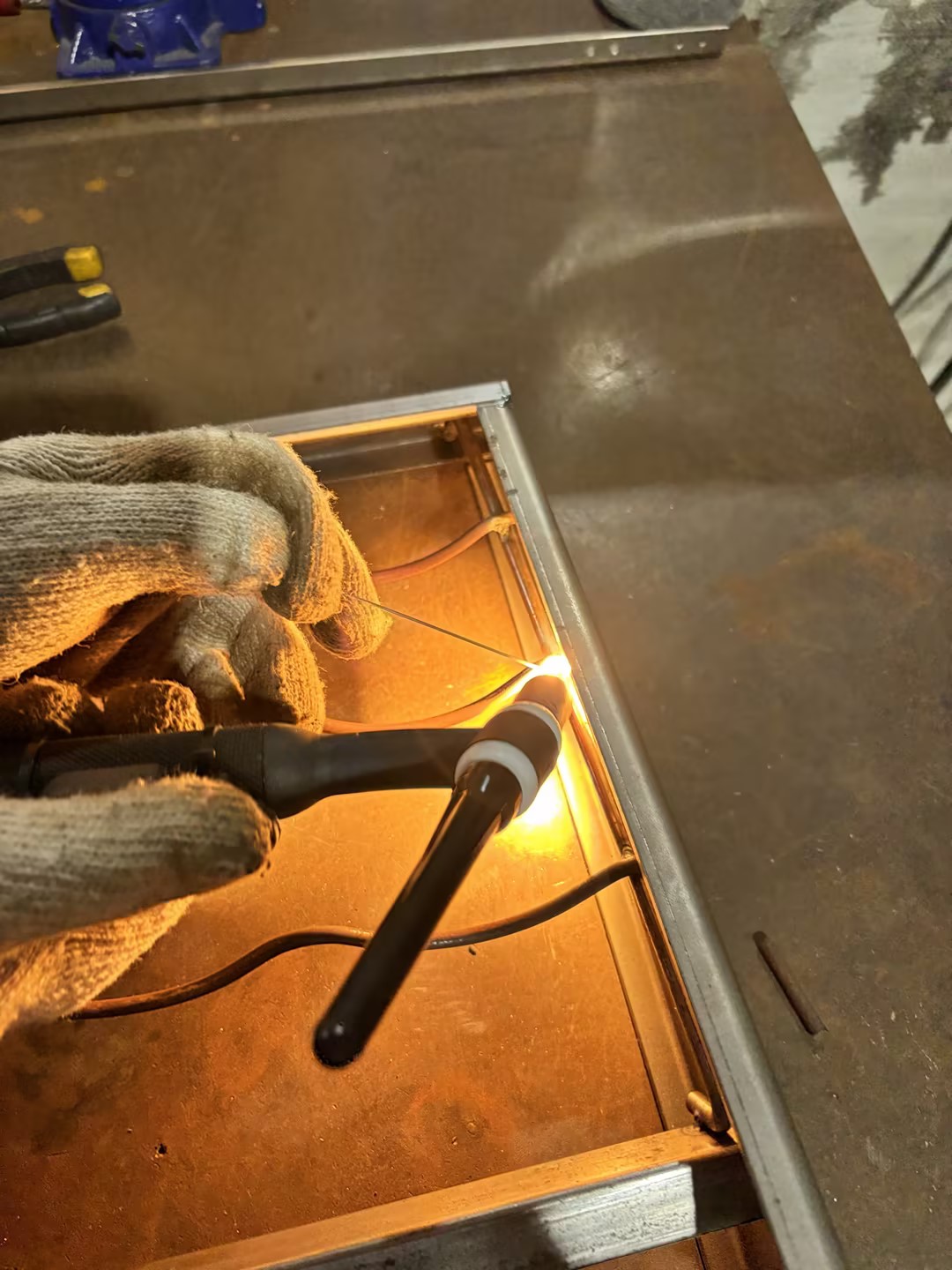
Stainless steel is widely used in industrial manufacturing because of its:
Advantages during welding:
✔ Higher melting temperature
✔ More stable welding process
✔ Lower risk of burn-through
✔ Suitable for TIG and MIG welding
Common applications:
However, stainless steel has a high thermal expansion coefficient, which may cause welding deformation if heat input is not properly controlled.
Aluminum is popular because of its:
However, aluminum is more difficult to weld.
Main challenges include:
Aluminum forms an oxide layer when exposed to air. This oxide layer has a much higher melting point than aluminum itself, making fusion more difficult.
Aluminum has:
Therefore, excessive heat can easily cause:
Aluminum welding usually requires experienced operators and precise process control.
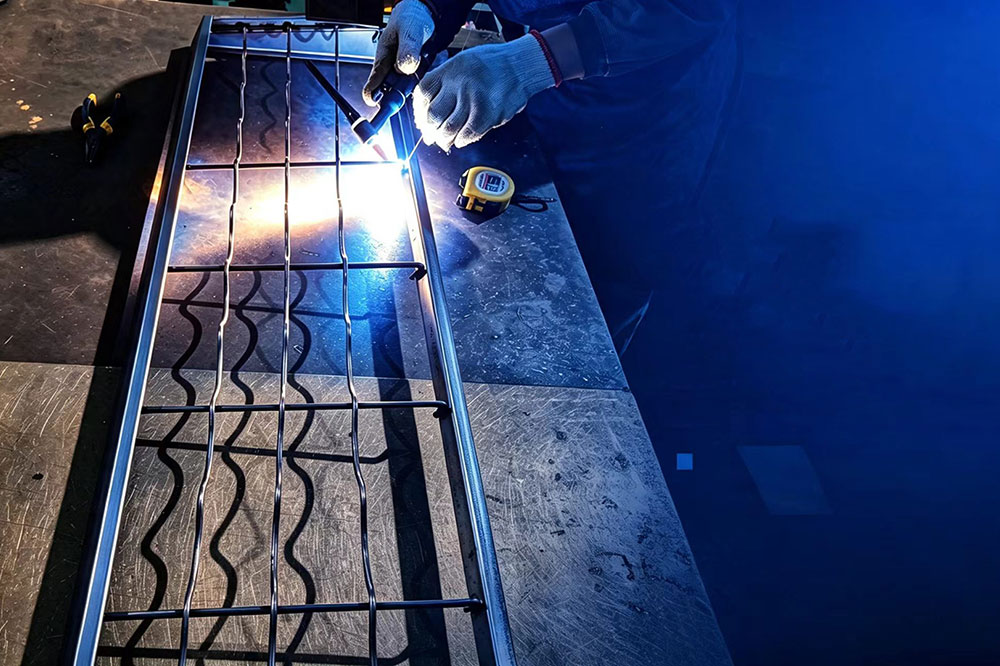
Material selection is only one part of successful welding. Four main factors influence weldability.
Important factors include:
For example, low-carbon steel generally has excellent weldability because it maintains good strength and toughness after welding.
Different welding methods create different results.
Common methods include:
TIG Welding
MIG Welding
Laser Welding
Selecting the correct welding method improves product quality and consistency.
Good structural design can significantly improve welding performance.
Important considerations include:
Poor design may lead to:
The working environment determines welding requirements.
Factors include:
For example:
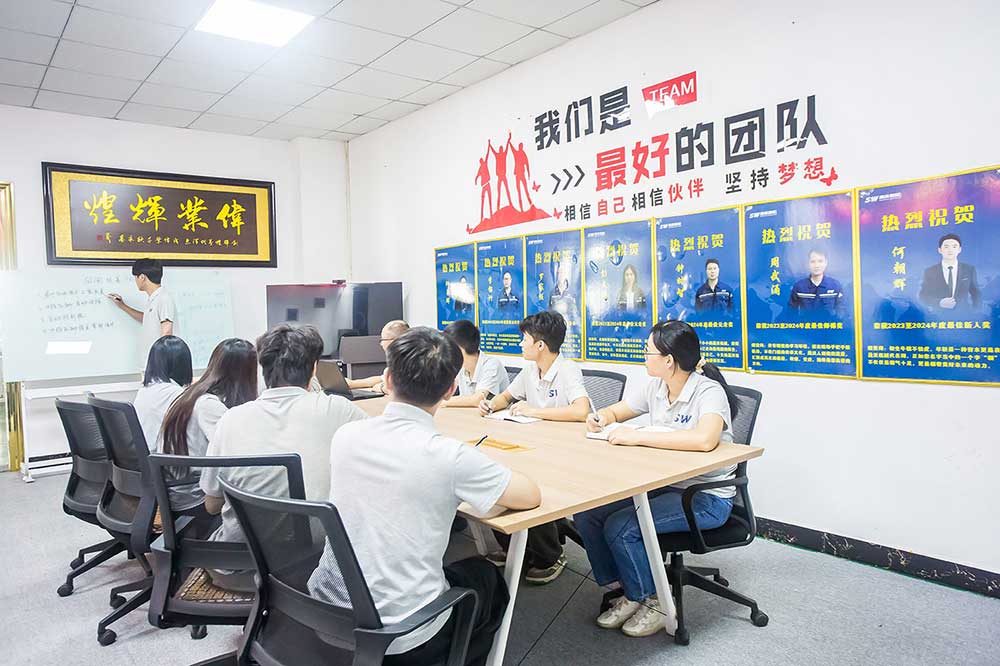
SHENGWO MACHINERY is a professional Custom Sheet Metal Fabrication Manufacturer specializing in:
Our welding capabilities include:
✔ TIG Welding
✔ MIG Welding
✔ Sheet Metal Assembly
✔ Structural Welding
Supported materials:
Our quality control process includes:
Incoming Material Inspection
Ensure materials meet customer requirements.
Welding Process Inspection
Control welding parameters, appearance, and dimensional accuracy.
Final Quality Inspection
Check:
In general:
Stainless steel is easier to weld than aluminum.
However, aluminum remains an excellent choice for applications requiring lightweight structures and corrosion resistance.
The best material depends on:
Choosing the right material and welding partner is essential for achieving reliable products.
SHENGWO MACHINERY combines professional welding experience, advanced fabrication capabilities, and strict quality control to provide customized manufacturing solutions for global customers.
Need custom welded metal parts?
Send your drawings or project requirements today.
SHENGWO MACHINERY — Your Reliable Partner for Custom Sheet Metal Fabrication.
No. 8803 Zhuhai Road, LianWan Industry Park, Jinwan District, 519090 Zhuhai, Guangdong, China