.png)

Author | Shengwo Industry Insights Team
Updated | June 2026
Contents
In modern HVAC, industrial ventilation, data center cooling, and fire protection systems, Commercial Dampers play a critical role in regulating airflow, improving energy efficiency, enhancing safety, and maintaining environmental control. While damper design and manufacturing precision are essential, one often-overlooked factor has a significant impact on overall system performance: material selection.
Choosing the right material for Commercial Dampers affects durability, corrosion resistance, leakage performance, operating life, maintenance requirements, and total project cost. Whether the dampers are installed in commercial buildings, hospitals, data centers, semiconductor facilities, battery plants, or industrial manufacturing environments, selecting suitable materials is crucial to achieving long-term reliability.
For HVAC equipment manufacturers, building automation companies, EPC contractors, fire protection companies, and data center cooling system suppliers, understanding how material selection influences Commercial Dampers performance can help reduce project risks and improve system efficiency.
This guide explores the relationship between material selection and Commercial Dampers, helping buyers make informed sourcing decisions while maximizing return on investment.
The primary function of Commercial Dampers is to regulate, isolate, or control airflow within duct systems. Since dampers are often exposed to changing temperatures, humidity levels, pressure fluctuations, and corrosive environments, the material used directly influences operational performance.
Poor material selection can lead to:
Conversely, selecting the right materials allows Commercial Dampers to deliver stable performance throughout their lifecycle while supporting energy-efficient operation and regulatory compliance.
For industrial buyers, material selection should never be based solely on initial purchase cost. Long-term durability and performance often determine the true value of a damper system.
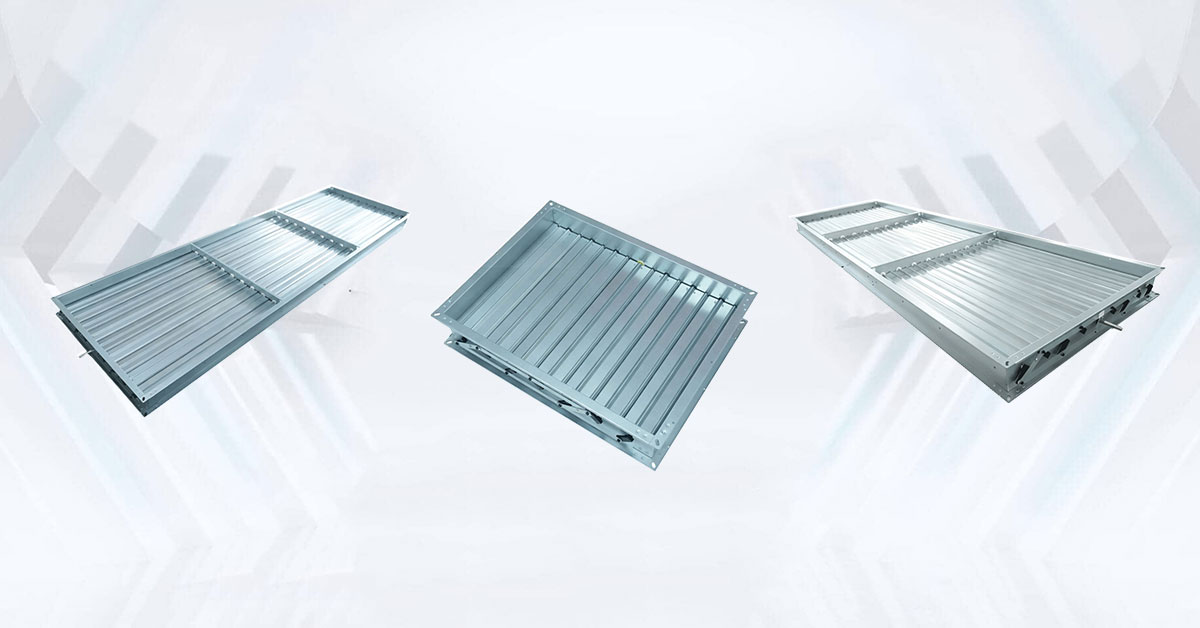
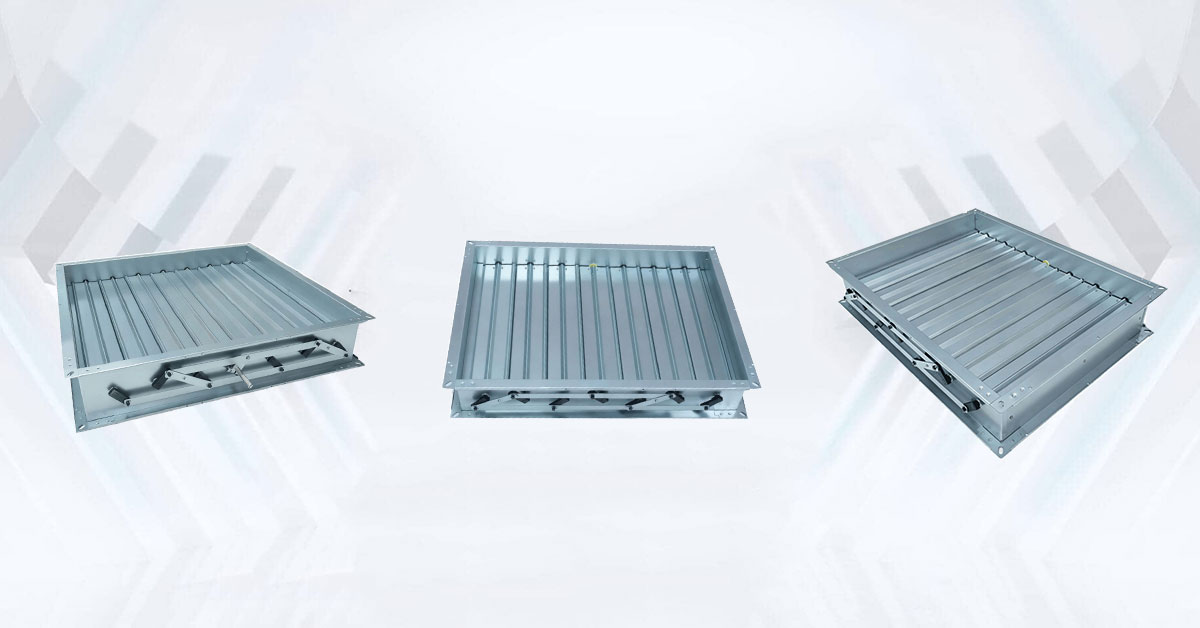
Galvanized steel remains one of the most widely used materials for Commercial Dampers, especially in commercial HVAC systems and large building projects.
The zinc coating provides moderate corrosion protection while maintaining cost competitiveness.
For HVAC equipment manufacturers producing high-volume systems, galvanized steel Commercial Dampers offer an excellent balance between performance and affordability.
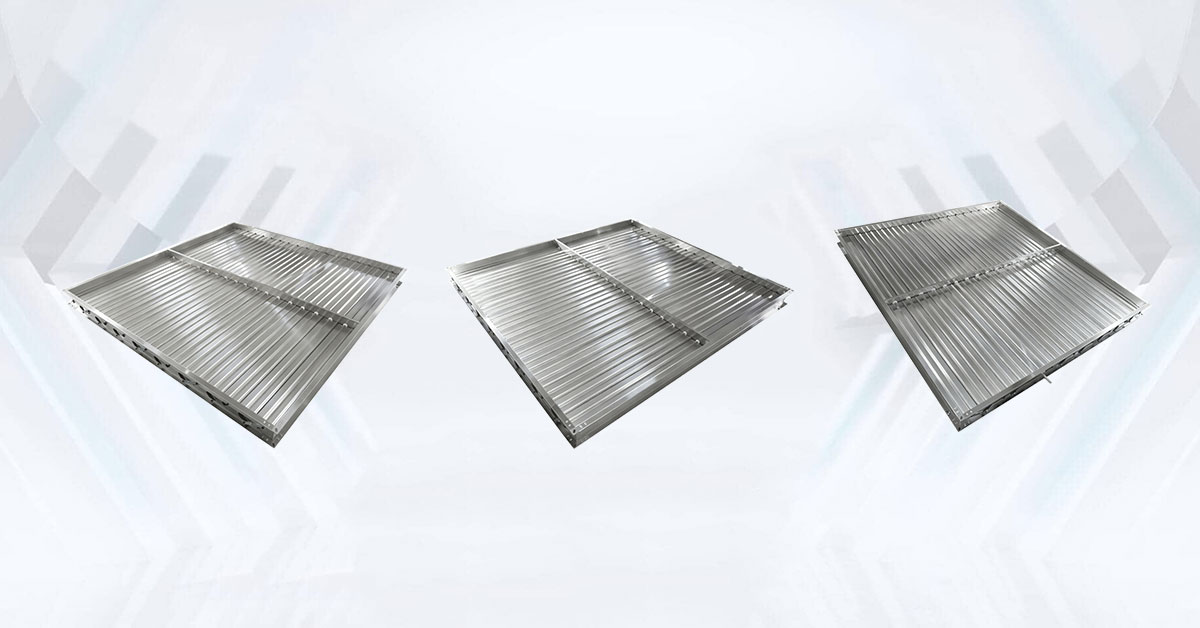
For demanding environments, stainless steel is often the preferred material for Commercial Dampers.
Its superior corrosion resistance makes it ideal for facilities exposed to moisture, chemicals, or aggressive operating conditions.
Stainless steel Commercial Dampers are particularly valuable in mission-critical environments where system reliability is essential.
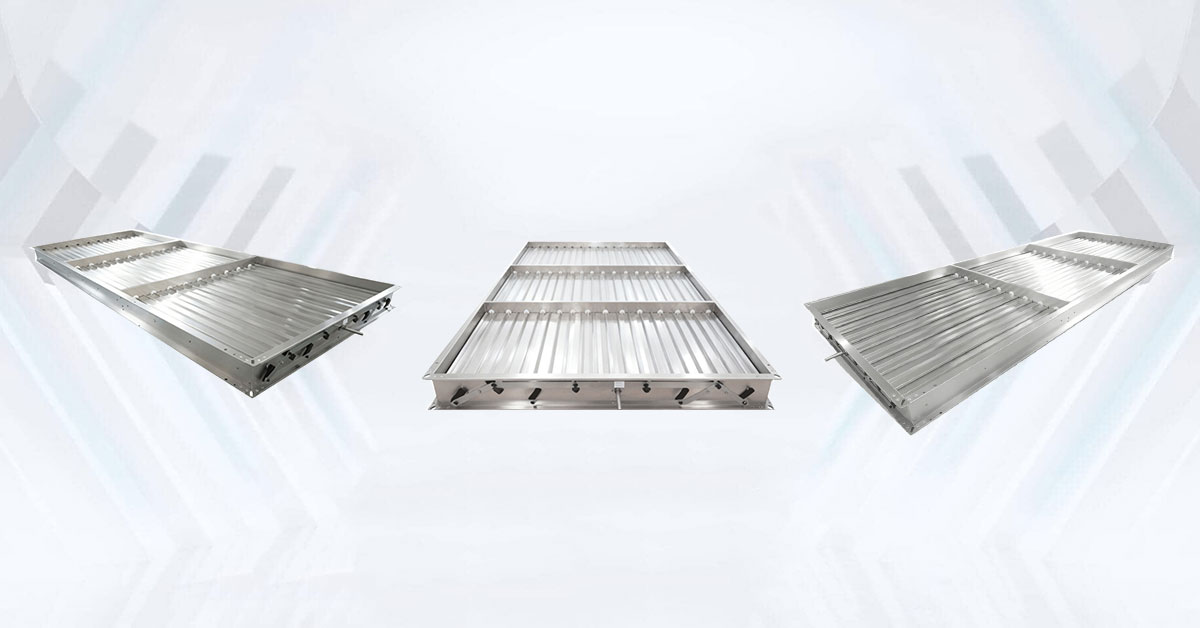
Aluminum offers unique advantages for lightweight airflow control solutions.
Because of its low density and natural corrosion resistance, aluminum is commonly used in specialized Commercial Dampers applications.
For projects requiring frequent damper operation, aluminum can help reduce mechanical wear and improve actuator performance.
Corrosion is one of the leading causes of premature damper failure.
When corrosion develops on blades, frames, or linkage components, airflow performance can deteriorate rapidly.
Material selection directly affects:
For example:
Selecting corrosion-resistant materials significantly extends the service life of Commercial Dampers.
Air leakage can dramatically reduce HVAC efficiency.
The material used in Commercial Dampers influences dimensional stability and sealing effectiveness.
High-quality materials maintain:
Low-leakage Commercial Dampers are especially important for:
Even small reductions in leakage rates can generate significant energy savings over time.
Industrial airflow systems often operate under high static pressure.
Weak materials may deform under pressure, causing:
Properly selected materials ensure that Commercial Damper maintain structural integrity even under demanding operating conditions.
Heavy-duty industrial ventilation systems frequently require reinforced galvanized steel or stainless steel dampers to withstand continuous operation.
For fire and smoke control applications, material selection becomes even more critical.
Fire-rated Commercial Damper must withstand:
Fire protection manufacturers and smoke extraction system suppliers often specify specialized materials that comply with strict fire safety standards.
The correct material selection ensures reliable performance during emergency situations when damper operation can directly affect building safety.
HVAC equipment manufacturers require consistent quality and repeatable production performance.
Typical requirements include:
Galvanized steel is often the preferred solution for standard HVAC equipment, while stainless steel may be selected for premium systems.
OEM manufacturers benefit from custom Commercial Damper that integrate seamlessly into AHUs, rooftop units, and ventilation equipment.
Modern smart buildings depend on precise airflow control.
Building automation companies often require:
Aluminum and precision-engineered galvanized steel Commercial Damper are commonly selected for integration with building management systems (BMS).
Material selection influences actuator performance, response speed, and system efficiency.
Data centers represent one of the fastest-growing markets for high-performance Commercial Damper.
Mission-critical cooling systems require:
Material selection plays a major role in supporting:
Stainless steel and high-performance galvanized steel are commonly used in data center airflow management solutions.
Industrial facilities often expose Commercial Damper to:
Applications include:
Heavy-duty stainless steel dampers are frequently chosen to ensure long-term durability and stable operation.
EPC contractors manage complex projects that require reliable suppliers capable of meeting strict specifications and delivery schedules.
Commercial buildings, hospitals, airports, and industrial facilities all have unique airflow control requirements.
Selecting appropriate materials for Commercial Damper helps EPC contractors reduce installation risks and ensure long-term project success.
Even the best materials cannot compensate for poor manufacturing quality.
Professional Commercial Damper manufacturers must maintain strict process controls throughout production.
Key manufacturing processes include:
Consistent manufacturing quality ensures that material performance is fully realized in the finished product.
Selecting the right supplier is just as important as selecting the right material.
SHENGWO MACHINERY combines advanced manufacturing capabilities with internationally recognized quality systems to provide reliable Commercial Dampers for global industrial customers.
Fortune Global 500 Supply Chain
Whether you need dampers for HVAC equipment, data center cooling systems, industrial ventilation projects, fire protection systems, or smart building automation, SHENGWO provides customized solutions tailored to your requirements.
What material is best for Commercial Damper?
The ideal material depends on the application. Galvanized steel is suitable for standard HVAC systems, stainless steel offers superior corrosion resistance, and aluminum provides lightweight performance.
Are stainless steel Commercial Damper worth the extra cost?
Yes. In humid, corrosive, or critical environments, stainless steel often delivers lower lifecycle costs due to reduced maintenance and longer service life.
Which Commercial Damper are best for data centers?
Low-leakage dampers made from high-quality galvanized steel or stainless steel are commonly used in data center cooling systems.
Can Commercial Damper be customized?
Absolutely. Custom dimensions, blade configurations, actuator mounting options, materials, and sealing requirements can all be tailored to specific project needs.
How do I select the right Commercial Damper supplier?
Look for suppliers with proven manufacturing capabilities, quality certifications, engineering support, and experience serving international industrial customers.
The performance of Commercial Dampers depends heavily on selecting the right material for the application. Galvanized steel, stainless steel, and aluminum each offer unique advantages in terms of corrosion resistance, strength, leakage control, and lifecycle cost.
By understanding how material selection affects airflow performance, durability, energy efficiency, and maintenance requirements, industrial buyers can make smarter procurement decisions and reduce long-term operational risks.
Equally important is partnering with an experienced manufacturer capable of delivering consistent quality, engineering expertise, and reliable project support. With advanced manufacturing capabilities, international certifications, Fortune Global 500 supply chain experience, and proven success across HVAC, data center, EPC, and industrial ventilation industries, SHENGWO MACHINERY is ready to support your next custom damper project.
Looking for a trusted supplier of custom Commercial Dampers for HVAC systems, data centers, industrial ventilation, or fire protection projects?
Send us your drawings, specifications, or project requirements today. Our engineering team will provide a professional review, customized solution, and competitive quotation to help you achieve reliable airflow control and long-term project success.
No. 8803 Zhuhai Road, LianWan Industry Park, Jinwan District, 519090 Zhuhai, Guangdong, China