



Contents
In modern industrial environments, electrical systems have become increasingly complex and critical to overall operations. Standard enclosures often cannot meet the requirements for size, safety, heat management, or component organization.
Tailored electrical cabinet solutions provide a practical and cost-effective approach to address these challenges. By combining precise engineering, custom fabrication, and high-quality materials, industrial buyers can ensure the longevity, safety, and operational efficiency of their systems.
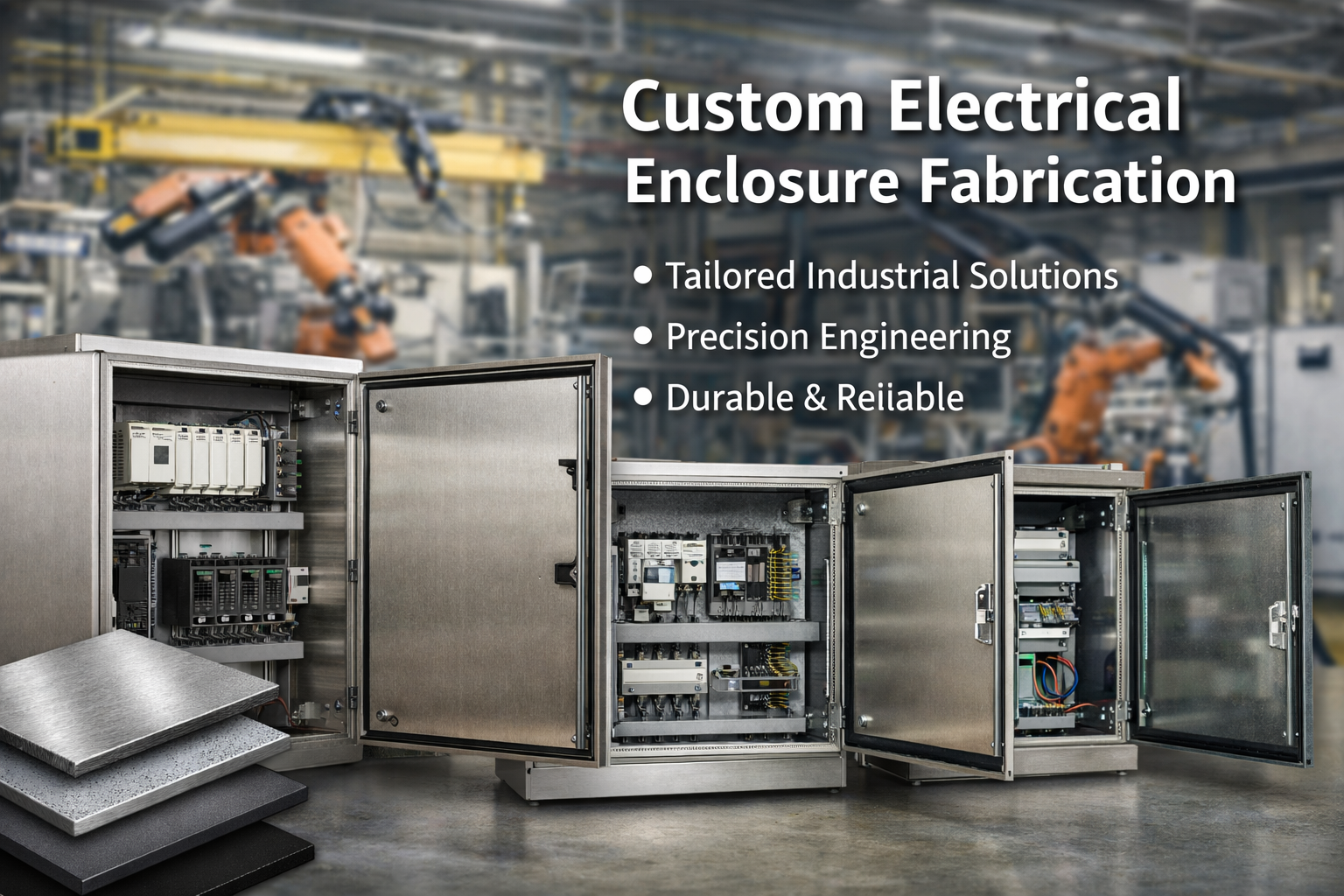
Tailored electrical cabinet solutions are purpose-built metal enclosures designed to house electrical and control components according to specific project requirements.
Unlike generic enclosures, custom solutions allow for:
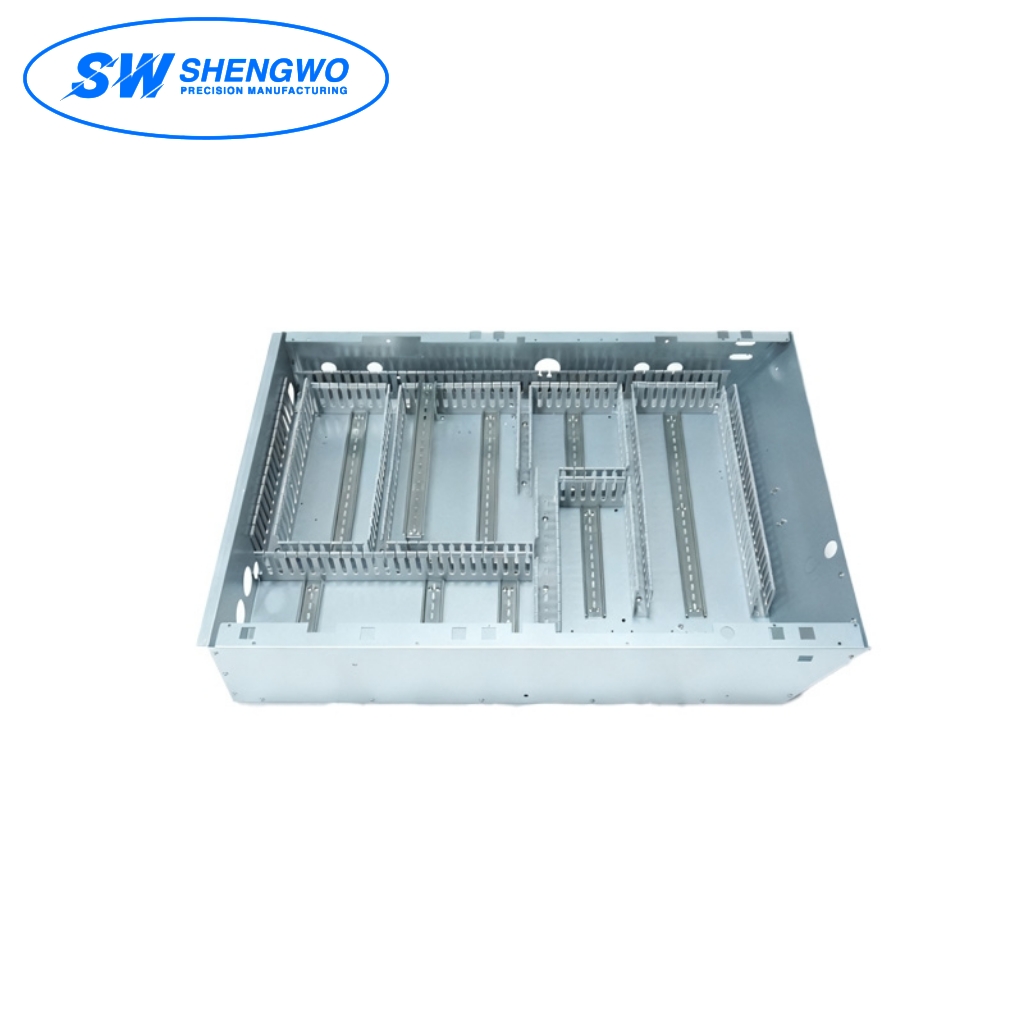
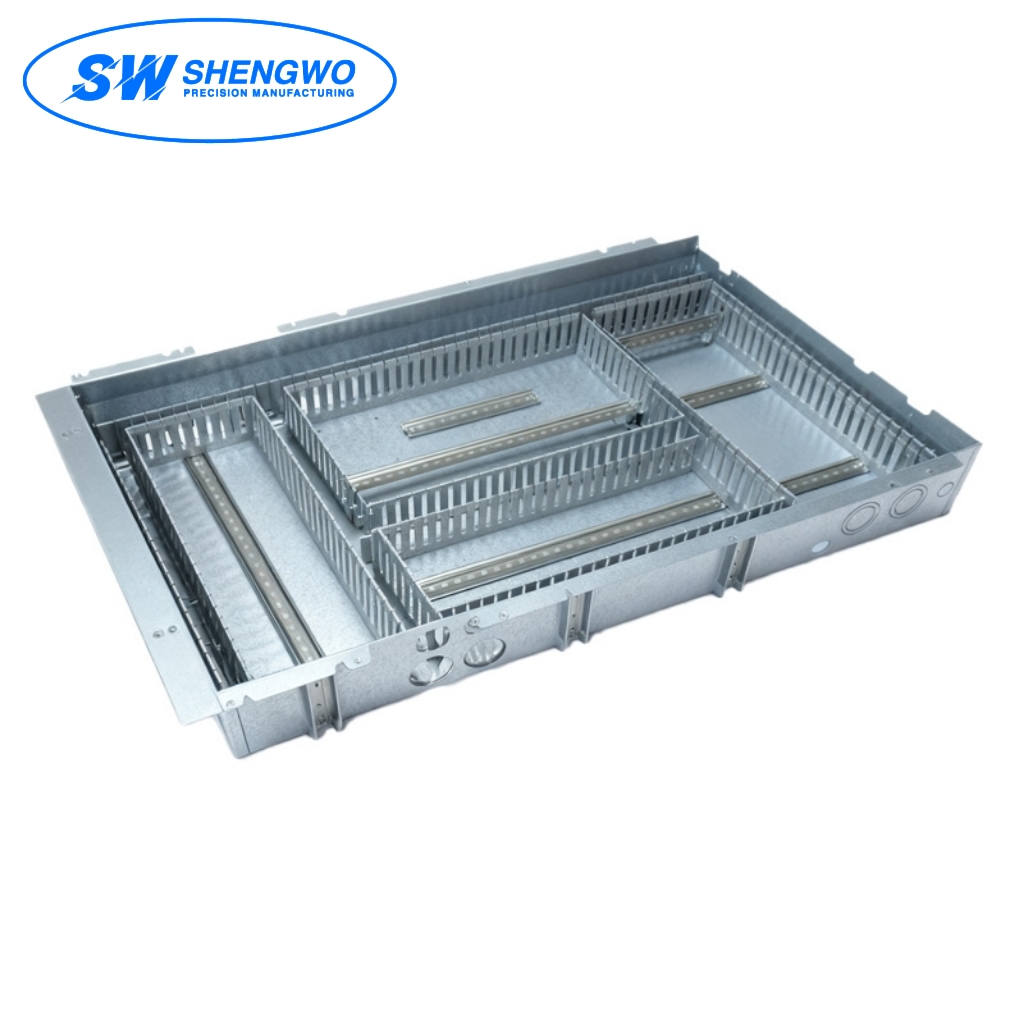
Exact internal layout for components such as PLCs, relays, and breakers
Ventilation or cooling provisions for heat-sensitive equipment
Access points and doors for maintenance and inspection
Compliance with regional safety and industrial standards
These cabinets provide a foundation for efficient system assembly and future scalability.
Industrial environments can be harsh. Dust, moisture, vibration, and temperature fluctuations all pose risks to electrical components. Customized electrical cabinets help mitigate these risks by offering:
Improved protection against environmental factors
Optimized thermal management through vents and airflow channels
Easier access for wiring, inspection, and maintenance
Greater alignment with machinery layouts and production floor constraints
By addressing these challenges, industrial operators can reduce downtime and maintenance costs while increasing overall reliability.
Every project begins with technical design. Engineers analyze requirements, including component placement, airflow, cable routing, and structural reinforcement. Advanced CAD tools help visualize the cabinet layout and simulate real-world conditions, ensuring the design meets performance goals.
Using laser cutting, CNC punching, and bending, fabricators create precise panels, doors, and internal supports. These processes guarantee repeatability across small-batch or large-volume orders.
Panels are welded or mechanically fastened to form the final cabinet structure. Quality inspections include dimensional checks, surface finish evaluation, and functional testing. These steps ensure that each cabinet meets industrial standards.
Material selection significantly affects cabinet performance, durability, and environmental resistance. Common choices include:
Cold-rolled steel: cost-effective, strong, suitable for indoor applications
Galvanized steel: improved corrosion resistance, ideal for humid or industrial environments
Stainless steel: resistant to corrosion, suitable for outdoor, hygienic, or chemical environments
Aluminum: lightweight, thermally conductive, ideal for heat-sensitive applications
Material choice depends on the specific industrial environment and functional requirements of the electrical system.
Surface treatment protects the enclosure and enhances appearance. Common options include:
Powder coating for corrosion resistance and insulation
Industrial paint for branding and environmental protection
Anti-rust or weather-resistant coatings for outdoor applications
Functional enhancements can be incorporated into the fabrication process:
Ventilation panels or fan mounts
Cable entry points and gland plates
Mounting rails, brackets, and partitioning systems
Lockable doors and secure access mechanisms
Modular sections for system expansion
These features increase usability, safety, and adaptability.
Tailored electrical cabinet solutions are used across multiple industries:
Industrial automation: housing PLCs, relays, and control modules
Power distribution: electrical panels and switchgear enclosures
Machinery and equipment control: integrated cabinets for factory machines
Energy and utilities: renewable energy systems, charging stations
Infrastructure and commercial projects: HVAC, lighting, and monitoring systems
Custom solutions ensure precise fit and function even in highly specialized applications.
For OEMs and B2B buyers, selecting the right supplier is crucial. Key considerations include:
Engineering capability: design support for complex or non-standard layouts
Manufacturing capacity: equipment for laser cutting, bending, and welding
Quality control: standardized inspection procedures for dimensions, surface, and structural integrity
Flexibility: ability to handle prototyping, small batches, and mass production
Experience: familiarity with industrial electrical enclosures and compliance standards
A reliable partner reduces production risk and ensures long-term supply consistency.
Industrial systems are evolving rapidly, and enclosure requirements are changing. Key trends include:
Modular designs for scalable and flexible installations
Integrated thermal management solutions
Lightweight materials without compromising durability
Smart enclosures with embedded monitoring or IoT capabilities
Sustainable materials and environmentally friendly manufacturing
Suppliers who stay ahead of these trends can provide higher-value solutions to B2B and OEM customers.
Investing in tailored electrical cabinet solutions offers long-term advantages:
Reduced equipment downtime and maintenance costs
Improved safety and compliance with regulations
Streamlined assembly and installation processes
Better adaptability to future system upgrades
Enhanced brand image through customized finishes
These benefits make tailored enclosures a practical choice for industrial projects and global OEM supply chains.
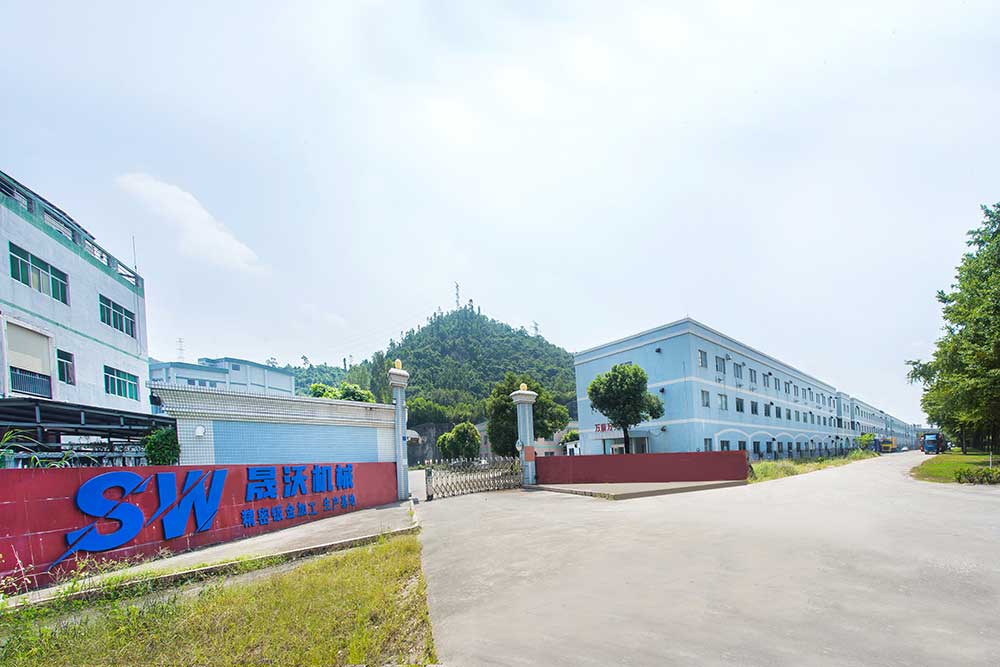
No. 8803 Zhuhai Road, LianWan Industry Park, Jinwan District, 519090 Zhuhai, Guangdong, China