.png)




Author | SHENGWO Industry Insights Team
Updated | April 2026
Contents
In modern manufacturing, Precision Sheet Metal Bending is a critical process used across industries such as electrical enclosures, HVAC systems, industrial equipment, and custom metal structures. While bending metal sheets may appear simple, achieving high precision requires a deep understanding of material behavior, process variables, and engineering principles.
For industrial buyers and engineers, poor control in Precision Sheet Metal Bending can lead to dimensional inaccuracies, cracking, excessive springback, and increased production costs. These issues not only affect product quality but also delay project timelines and impact downstream assembly.
This article explores six essential factors to avoid common mistakes in Precision Sheet Metal Bending, helping you improve product accuracy, reduce defects, and optimize manufacturing efficiency.a
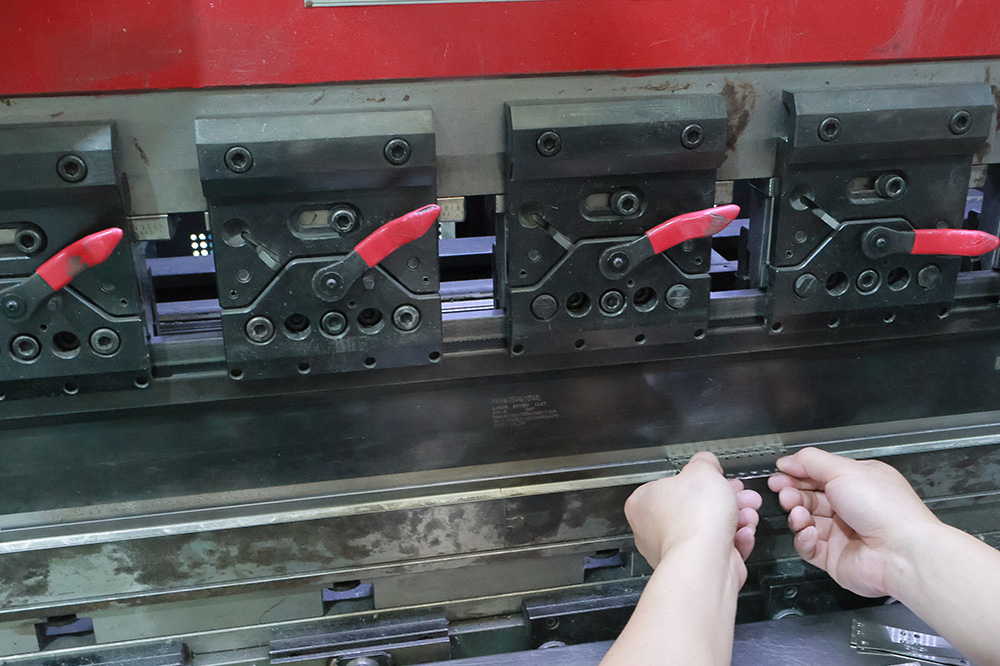
In Precision Sheet Metal Bending, grain direction plays a crucial role in determining bending performance. Metal sheets develop grain structure during the rolling process, where the internal structure aligns along the rolling direction.
There are two primary bending orientations:
Understanding grain direction is essential for avoiding structural defects and ensuring consistent results in Precision Sheet Metal Bending.
The minimum bend radius is one of the most important parameters in Precision Sheet Metal Bending. It determines whether the material will bend smoothly or crack during deformation.
Factors affecting minimum bend radius include:
As a general rule, thicker and harder materials require larger bend radii. Ignoring this can lead to fractures, surface damage, or structural weakness.
To optimize Precision Sheet Metal Bending quality:
This ensures consistent bending performance and reduces material waste.
Springback is a common issue in Precision Sheet Metal Bending, where the material partially returns to its original shape after bending.
It occurs due to:
Springback results in angle deviation, making it difficult to achieve precise dimensions.
Several factors influence springback:
Compensation methods include:
Proper springback control is essential for achieving accurate results in Precision Sheet Metal Bending.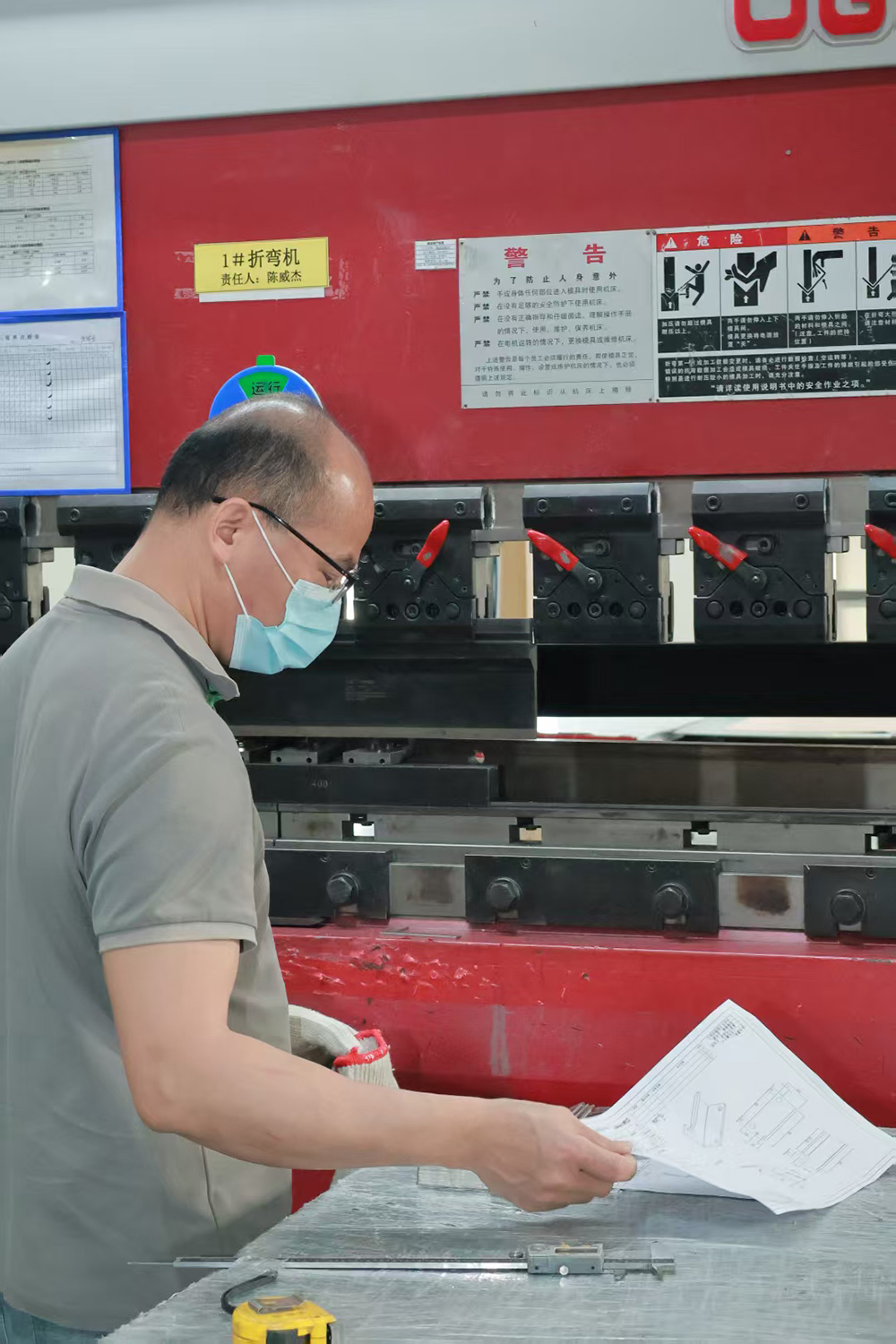
The K-factor is a critical parameter in Precision Sheet Metal Bending that defines the position of the neutral axis during bending. As the material bends, the neutral axis shifts, causing dimensional differences between flat patterns and final parts.
The K-factor helps compensate for this deviation, ensuring accurate part dimensions.
K-factor depends on:
It can be obtained through:
Accurate K-factor calculation ensures that unfolded drawings match the final bent part dimensions.
The ratio between bend radius and sheet thickness significantly affects springback and bending behavior in Sheet Metal Bending.
For example:
For a 0.8 mm low-carbon steel sheet:
Understanding this ratio allows engineers to predict deformation and adjust processes accordingly.
Local stress can negatively impact Precision Sheet Metal Bending accuracy. It often originates from previous processes such as:
These processes can harden material edges and create microcracks.
Effective solutions include:
Reducing local stress ensures smoother bending performance and prevents unexpected deformation.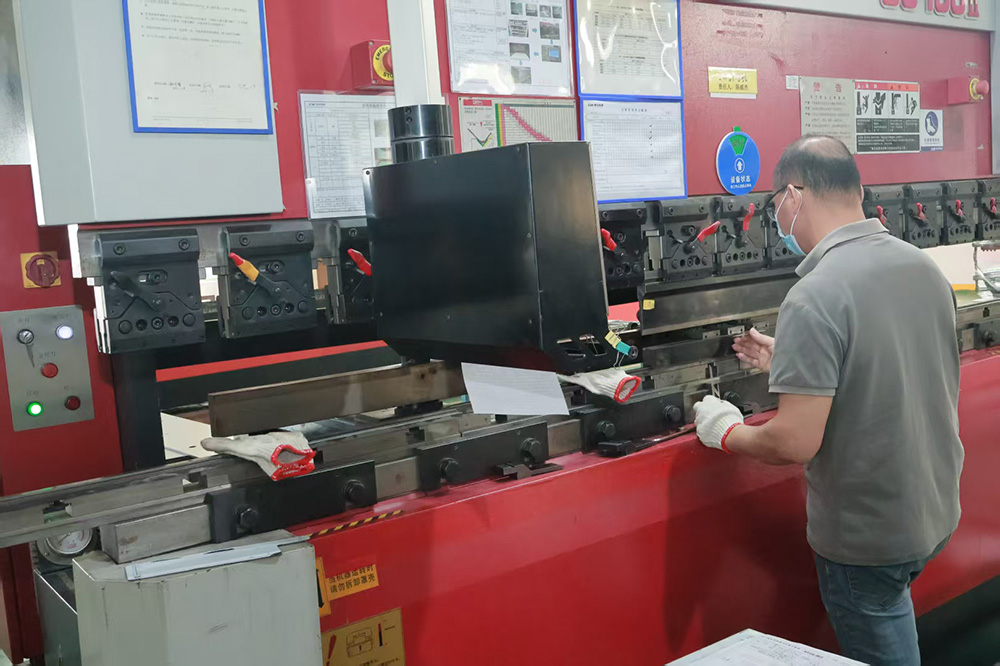
SHENGWO MACHINERY is a professional manufacturer specializing in Precision Sheet Metal Bending, CNC machining, and custom metal fabrication.
Q1: What is Sheet Metal Bending?
It is a controlled process of shaping metal sheets with high accuracy and consistency.
Q2: What materials are suitable for Precision Sheet Metal Bending?
Steel, stainless steel, aluminum, copper, and various alloys.
Q3: How do you prevent cracking during bending?
By controlling grain direction and using proper bend radius.
Q4: Why is springback important in bending?
Because it affects final angle accuracy and must be compensated.
Q5: Can you support custom bending projects?
Yes, SHENGWO specializes in customized industrial metal solutions.
Although bending metal sheets may seem simple, achieving high-quality Sheet Metal Bending requires careful control of multiple variables, including grain direction, bend radius, springback, K-factor, thickness ratio, and local stress.
By understanding and applying these six key principles, manufacturers can significantly improve bending accuracy, reduce defects, and ensure consistent product quality.
With advanced capabilities, international certifications, and strong industry recognition, SHENGWO MACHINERY is a reliable partner for high-precision sheet metal fabrication projects.
Looking for a trusted partner in Precision Sheet Metal Bending?
Contact SHENGWO MACHINERY today to get expert support, high-quality manufacturing, and competitive solutions for your next project.
No. 8803 Zhuhai Road, LianWan Industry Park, Jinwan District, 519090 Zhuhai, Guangdong, China