


Modern buildings and industrial facilities require highly efficient ventilation systems to maintain comfortable indoor environments, ensure healthy air quality, and reduce energy consumption. One of the most important technologies enabling precise airflow regulation in heating, ventilation, and air conditioning systems is the motorized damper HVAC.
As building infrastructure becomes increasingly complex and energy regulations become stricter, automated airflow control devices have become essential components in modern ventilation design. These devices allow HVAC systems to dynamically regulate air distribution throughout a building, improving efficiency while maintaining optimal comfort conditions.
A motorized damper HVAC is typically installed inside duct systems and controlled by an electric actuator that adjusts damper blades to regulate airflow. This automation allows HVAC systems to respond quickly to environmental changes, occupancy levels, and operational requirements.
Zhuhai Shengwo Machinery Technology Co., Ltd. has become a trusted manufacturing partner for many global companies. The company works with numerous enterprises, including Schneider Electric SAM-certified green suppliers and Fortune Global 500 companies. By providing advanced manufacturing technologies, supply chain services, and innovative engineering solutions, Shengwo Machinery supports industries such as automotive, medical equipment, telecommunications, cloud computing, industrial automation, consumer electronics, and retail systems.
Through precision sheet metal fabrication and advanced production technologies, the company manufactures high-quality structural components used in ventilation equipment and motorized damper HVAC assemblies.
Contents
- 1 What Is a Motorized Damper HVAC and How Does It Work?
- 2 Key Components of a Motorized Damper HVAC System
- 3 Benefits of Using Motorized Damper HVAC in Modern Buildings
- 4 Applications of Motorized Damper HVAC Technology
- 5 Manufacturing Expertise for Motorized Damper HVAC Components
- 6 How to Choose the Right Motorized Damper HVAC Manufacturer
- 7 Future Trends in Motorized Damper HVAC Technology
- 8 Conclusion
- 9 FAQ
What Is a Motorized Damper HVAC and How Does It Work?
A motorized damper HVAC is an automated airflow control device designed to regulate air movement inside ventilation ducts. Unlike manual dampers that require physical adjustment, these systems operate through electric actuators that automatically open or close damper blades.
This automated operation allows HVAC systems to control airflow distribution more efficiently. For example, when certain areas of a building require more cooling or heating, the damper can adjust airflow to deliver the necessary volume of conditioned air.
The actuator receives signals from thermostats, sensors, or building management systems. Based on these signals, the actuator moves the damper blades to regulate airflow inside the ductwork.
Because the motorized damper HVAC operates automatically, it allows building operators to maintain stable indoor conditions while minimizing energy waste. By directing airflow only where it is needed, HVAC systems can significantly reduce energy consumption.
In modern smart buildings, automated dampers are often connected to centralized building management platforms. These platforms monitor environmental conditions and control ventilation equipment in real time.
Key Components of a Motorized Damper HVAC System
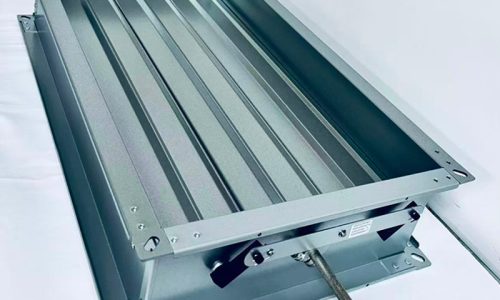
A reliable motorized damper HVAC system consists of several essential components that work together to regulate airflow efficiently. Each component must be carefully engineered and manufactured to ensure reliable performance.
Motorized Damper HVAC Actuator Mechanism
The actuator is the driving force behind the motorized damper HVAC assembly. It converts electrical signals into mechanical motion that adjusts the position of damper blades.
Modern actuators are designed to provide precise positioning and consistent torque. Some advanced models include fail-safe features that automatically close or open the damper during power failures.
These actuators can also integrate with building automation systems, allowing facility managers to control airflow remotely and monitor ventilation performance.
Motorized Damper HVAC Blade Design
Damper blades are responsible for controlling the volume of air flowing through the duct system. When the actuator moves, the blades rotate to increase or decrease airflow.
In high-performance motorized damper HVAC systems, blades are designed to minimize air leakage and reduce turbulence within the duct. Aerodynamic blade profiles help maintain smooth airflow and reduce noise.
Precision alignment of blades is also essential for maintaining system efficiency and preventing airflow loss.
Structural Housing and Frame
The structural frame supports the entire damper assembly and ensures proper installation within the ventilation duct. This housing is typically made from sheet metal materials such as galvanized steel, aluminum, or stainless steel.
Durable housing structures protect internal components and ensure long-term reliability of the ventilation system.
Benefits of Using Motorized Damper HVAC in Modern Buildings
The growing adoption of automated ventilation systems has increased the demand for reliable airflow control technologies. Implementing a motorized damper HVAC solution offers several advantages for modern buildings.
Energy Efficiency and Reduced Operating Costs
Energy consumption is one of the largest operational expenses for commercial buildings. HVAC systems can account for a significant portion of total energy use.
By automatically adjusting airflow according to real-time requirements, the motorized damper HVAC helps reduce unnecessary heating and cooling. This leads to improved energy efficiency and lower operational costs.
Improved Indoor Comfort
Balanced airflow distribution is essential for maintaining comfortable indoor environments. Automated dampers ensure that each area of a building receives the appropriate amount of conditioned air.
This helps eliminate hot and cold spots while maintaining consistent temperature levels throughout the facility.
Integration with Smart Building Systems
Many modern buildings rely on intelligent management platforms to control lighting, security, and environmental systems.
A motorized damper HVAC can be integrated with these platforms, enabling centralized monitoring and automated airflow control.
Long-Term Reliability
High-quality ventilation components manufactured with precision engineering offer reliable performance and long service life.
Durable materials and advanced manufacturing techniques ensure that automated dampers continue operating efficiently even under demanding conditions.
Applications of Motorized Damper HVAC Technology
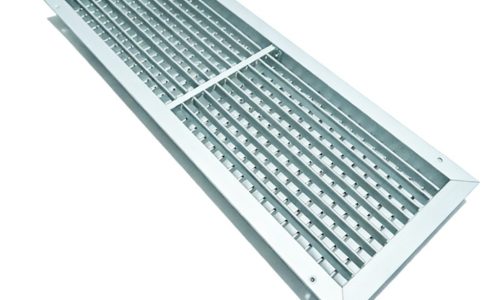
The motorized damper HVAC is widely used across various industries that require precise airflow control and ventilation management.
Commercial Buildings and Office Spaces
Large office buildings often require complex ventilation systems to maintain comfortable indoor environments. Automated dampers allow facility managers to regulate airflow across different floors and zones.
This ensures balanced air distribution and improves energy efficiency.
Hospitals and Medical Facilities
Healthcare environments require strict control of air movement to maintain sterile conditions and prevent contamination.
Automated ventilation dampers help regulate airflow between operating rooms, patient wards, and laboratory spaces.
Data Centers and Cloud Computing Facilities
Data centers generate significant heat from servers and networking equipment. Efficient cooling is essential to protect sensitive hardware.
By controlling airflow inside cooling ducts, automated dampers help maintain optimal temperatures in server environments.
Industrial Manufacturing Facilities
Manufacturing plants often generate heat, dust, or chemical fumes during production processes.
Controlled ventilation systems with automated dampers help maintain safe working environments and improve air quality.
Retail and Public Infrastructure
Shopping malls, airports, and transportation hubs rely on advanced ventilation systems to maintain comfortable environments for large numbers of occupants.
Automated airflow control helps ensure stable indoor conditions across these large spaces.
Manufacturing Expertise for Motorized Damper HVAC Components
The performance of ventilation equipment depends heavily on the quality of its components. Precision manufacturing ensures that airflow control devices operate smoothly and reliably.
Zhuhai Shengwo Machinery specializes in precision sheet metal fabrication for industrial applications. The company utilizes advanced manufacturing technologies including:
-
Laser cutting for accurate sheet metal shaping
-
CNC bending for precise structural forming
-
Metal stamping for efficient component production
-
Automated welding for strong and consistent assembly
These processes ensure that structural components used in ventilation equipment meet strict quality standards.
Quality inspection procedures are implemented throughout production to verify dimensional accuracy and mechanical reliability.
With extensive manufacturing experience and modern production facilities, Shengwo Machinery supports customers worldwide by providing durable components used in motorized damper HVAC assemblies.
For more details about the company’s manufacturing capabilities, visit:
https://www.zhswjx.com
How to Choose the Right Motorized Damper HVAC Manufacturer
Selecting a reliable manufacturing partner is essential for ensuring product quality and long-term performance of ventilation systems.
Several important factors should be considered when evaluating potential suppliers.
Manufacturing Experience
Experienced manufacturers understand the engineering requirements of HVAC systems and can produce components with consistent quality.
Advanced Production Technology
Modern fabrication equipment improves production accuracy and efficiency.
Quality Control Systems
Strict inspection procedures ensure that components meet performance specifications and industry standards.
Customization Capabilities
Some HVAC projects require customized airflow control devices. Manufacturers with strong engineering capabilities can provide tailored solutions for unique applications.
Zhuhai Shengwo Machinery combines these advantages, making it a reliable partner for companies seeking high-quality manufacturing support.
Future Trends in Motorized Damper HVAC Technology
The HVAC industry continues to evolve as energy efficiency regulations and smart building technologies become more advanced.
Automated ventilation dampers will play an increasingly important role in future building infrastructure.
Smart sensors and artificial intelligence systems are being integrated into building management platforms. These systems analyze environmental data in real time and adjust ventilation equipment automatically.
Another important trend is the rapid growth of data centers and cloud computing infrastructure. These facilities require highly efficient cooling systems, and automated airflow control devices help manage thermal loads effectively.
As the demand for energy-efficient buildings continues to grow, advanced airflow control technologies will become even more critical.
Manufacturers that invest in precision engineering and advanced fabrication capabilities will be well positioned to support these evolving industry requirements.
Conclusion
Efficient airflow management is essential for maintaining comfortable indoor environments and reducing energy consumption in modern buildings.
The motorized damper HVAC plays a vital role in regulating airflow within ventilation systems, enabling automated control that improves system efficiency and indoor comfort.
With increasing demand for intelligent ventilation technologies, reliable manufacturing and high-quality components are more important than ever.
Zhuhai Shengwo Machinery combines advanced fabrication technology, strict quality standards, and extensive manufacturing experience to provide reliable solutions for HVAC equipment manufacturers worldwide.
If you are looking for a trusted partner for HVAC components or precision sheet metal fabrication, contact Zhuhai Shengwo Machinery today. Our professional engineering team is ready to support your next project with advanced manufacturing solutions and reliable production capabilities.
FAQ
What is a motorized damper HVAC?
A motorized damper HVAC is an airflow control device installed inside ventilation ducts that uses an electric actuator to automatically adjust damper blades and regulate air movement.
Why are motorized dampers important in HVAC systems?
They improve airflow distribution, increase energy efficiency, and allow HVAC systems to integrate with smart building management platforms.
What materials are used to manufacture HVAC dampers?
Common materials include galvanized steel, stainless steel, and aluminum because they provide durability, corrosion resistance, and structural strength.
Where are automated ventilation dampers commonly used?
They are widely used in commercial buildings, hospitals, data centers, industrial facilities, and other environments that require controlled airflow.