


Modern industrial infrastructure relies heavily on advanced ventilation and airflow management technologies. Whether in large manufacturing plants, commercial complexes, data centers, or medical facilities, maintaining stable airflow conditions is essential for safety, energy efficiency, and operational stability. One of the most important components that enables this control is the air damper.
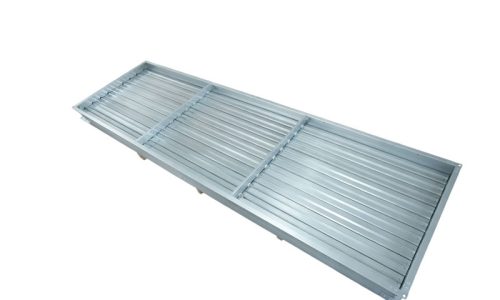
Air dampers regulate airflow volume, direction, and pressure within ventilation systems. They help maintain optimal indoor conditions, reduce energy consumption, and improve system reliability. As HVAC systems become increasingly complex, the role of professional damper manufacturers has grown significantly.
Manufacturers that specialize in precision metal fabrication and industrial airflow components are able to provide high-performance dampers tailored to different environmental requirements. Companies like Zhuhai Shengwo Machinery Technology Co., Ltd. combine advanced manufacturing technologies with engineering expertise to deliver customized ventilation components used across a wide range of industries.
This article explores the importance of dampers, the capabilities required from professional suppliers, and the key factors businesses should consider when choosing reliable damper manufacturers for industrial HVAC systems.
Contents
Airflow control is a fundamental element of modern building design. In large facilities, HVAC systems must regulate temperature, humidity, and air quality simultaneously. Dampers act as control mechanisms within these systems, adjusting airflow to maintain balanced environmental conditions.
Because of this critical function, reliable damper manufacturers play an important role in supporting engineering contractors, mechanical system integrators, and industrial facility operators.
In ventilation systems, dampers perform several key functions. They regulate airflow distribution, isolate specific zones within a building, and help optimize system performance during different operational conditions. For example, during peak cooling periods, airflow levels must be carefully balanced to maintain comfortable temperatures without excessive energy consumption.
High-quality dampers also contribute to energy efficiency. Poorly manufactured components may allow air leakage or fail to respond accurately to control systems. Over time, this can lead to higher energy costs and reduced system performance. By contrast, components produced by experienced damper manufacturers provide better sealing, structural stability, and long service life.
As industries move toward energy-efficient infrastructure and sustainable building technologies, the demand for precision airflow components continues to increase.
Producing high-performance dampers requires more than simple metal fabrication. It involves a combination of engineering design, advanced production processes, and strict quality control.
Leading damper manufacturers typically invest heavily in modern manufacturing equipment and skilled engineering teams. These capabilities allow them to produce durable airflow control components that meet the requirements of industrial HVAC systems.
Air dampers are primarily constructed from metal materials such as galvanized steel or stainless steel. Precision fabrication ensures that each component fits perfectly within the ventilation system.
Modern production facilities utilize advanced technologies including laser cutting, CNC bending, automated welding, and surface finishing processes. These methods ensure consistent dimensional accuracy and structural strength.
Zhuhai Shengwo Machinery Technology Co., Ltd. specializes in high-precision metal manufacturing. The company provides fabrication services for structural parts, equipment enclosures, control cabinets, and ventilation components. Detailed information about their manufacturing capabilities can be found at:
Precision manufacturing ensures that airflow control devices operate smoothly while maintaining tight sealing performance.
Another important capability of professional damper manufacturers is engineering support. Industrial HVAC systems often require customized airflow solutions that standard products cannot provide.
Engineering teams work closely with contractors and equipment manufacturers to design dampers that match specific airflow requirements, installation conditions, and environmental challenges.
Custom engineering may include selecting appropriate materials, determining blade configurations, and designing sealing mechanisms to improve airflow control efficiency.
Quality control is essential in the production of airflow components. Each damper must operate reliably under different pressure levels, temperature variations, and long-term usage conditions.
Professional damper manufacturers implement strict inspection procedures during production. This includes dimensional measurement, welding inspection, and functional testing to ensure that each product meets performance standards.
These quality processes help prevent system failures and ensure long service life in demanding industrial environments.
Airflow control technology is essential across many industries. Reliable ventilation systems protect equipment, maintain safety conditions, and improve operational efficiency.
As a result, experienced damper manufacturers supply products to a wide variety of industrial sectors.
Production plants often generate heat, smoke, dust, and other airborne particles. Ventilation systems must remove these contaminants efficiently while maintaining proper airflow balance.
Dampers play an important role in regulating ventilation levels within different sections of a facility. By adjusting airflow distribution, they help maintain safe working conditions and improve environmental control.
Modern data centers house thousands of servers that generate large amounts of heat. Cooling systems must operate with high precision to prevent equipment overheating.
Dampers help regulate airflow within server rooms and cooling systems, ensuring consistent temperature control. Because of this requirement, many data center operators work closely with specialized damper manufacturers capable of producing reliable airflow control components.
Hospitals, laboratories, and pharmaceutical production facilities require strict air quality management. Ventilation systems must prevent contamination and maintain sterile conditions.
Airflow control devices are used to regulate pressure differences between rooms and maintain clean environments. Reliable components are therefore critical to maintaining regulatory compliance.
Large commercial buildings, shopping centers, and office complexes rely on complex HVAC systems to maintain comfortable indoor conditions. Dampers are installed throughout the ventilation network to control airflow across multiple floors and zones.
Because these systems operate continuously, building operators prefer components supplied by experienced damper manufacturers that offer durability and long-term reliability.
Selecting the right supplier can significantly affect the performance and reliability of an HVAC system. Businesses should evaluate several factors before choosing among different damper manufacturers.
Suppliers with extensive experience in metal fabrication and airflow component production are more likely to provide reliable products. Years of manufacturing expertise allow them to refine production processes and maintain consistent quality.
Every industrial ventilation system has unique requirements. Reliable damper manufacturers should be able to provide custom solutions based on project specifications.
Customization may include special sizes, material selection, corrosion-resistant coatings, and specific airflow control mechanisms.
Large infrastructure projects often require stable supply chains and consistent delivery schedules. Manufacturers with advanced production facilities are better equipped to handle large orders without compromising quality.
Engineering consultation can be extremely valuable during system design and installation. Professional suppliers often assist clients in selecting appropriate products and optimizing airflow control strategies.
The performance of an air damper is directly influenced by manufacturing accuracy. Even small dimensional deviations can affect airflow sealing and operational efficiency.
For this reason, professional damper manufacturers rely on advanced manufacturing technologies to maintain precision during production.
Laser cutting ensures accurate component dimensions, while CNC bending guarantees consistent structural geometry. Automated welding processes create strong joints that maintain structural integrity under continuous operation.
In addition, surface treatment processes such as galvanization or powder coating provide corrosion resistance, extending product lifespan in harsh environments.
Manufacturers that combine precision fabrication with engineering expertise are able to deliver airflow control components that meet the demanding requirements of modern ventilation systems.
As global industries continue to evolve, the HVAC sector is undergoing significant technological transformation. Energy efficiency, smart building technologies, and environmental sustainability are becoming key priorities.
These trends are shaping the future development of damper manufacturers around the world.
One major trend is the integration of smart control systems. Advanced ventilation networks now use automated sensors and digital control platforms to regulate airflow in real time. Dampers must therefore respond accurately to electronic control signals.
Another trend is the use of corrosion-resistant and lightweight materials. Stainless steel and advanced coatings improve durability while reducing maintenance requirements.
Automation is also transforming manufacturing processes. Modern production facilities increasingly use robotics and intelligent manufacturing systems to improve efficiency and maintain consistent product quality.
Companies that adopt these technologies will be better positioned to serve the rapidly growing global HVAC market.
Air dampers are essential components in modern ventilation systems. They regulate airflow, improve energy efficiency, and help maintain stable environmental conditions across a wide range of industries.
Reliable damper manufacturers provide the engineering expertise, manufacturing precision, and quality assurance necessary to produce high-performance airflow control components.
By working with experienced suppliers, businesses can ensure that their HVAC systems operate efficiently and reliably over the long term. As industries continue to demand advanced ventilation solutions, the role of professional airflow component manufacturers will remain increasingly important.
If you are looking for a trusted manufacturing partner capable of producing high-quality metal components and custom airflow control solutions, Zhuhai Shengwo Machinery Technology Co., Ltd. offers professional fabrication services and advanced production capabilities.
Visit https://www.zhswjx.com to learn more about our manufacturing solutions and discuss your project requirements with our engineering team.

They design and manufacture airflow control devices used in HVAC systems to regulate air volume, direction, and pressure within ventilation networks.
Galvanized steel, stainless steel, and aluminum are the most common materials because they provide strength, corrosion resistance, and long service life.
Yes. Many manufacturers provide customized designs based on airflow requirements, installation conditions, and project specifications.
High-quality dampers improve energy efficiency, reduce air leakage, and ensure stable airflow control in ventilation systems.
No. 8803 Zhuhai Road, LianWan Industry Park, Jinwan District, 519090 Zhuhai, Guangdong, China