


Contents
Industrial electrical panel enclosures are essential components for protecting power distribution and control equipment in demanding operating environments. From manufacturing plants to infrastructure projects, well-designed enclosures help ensure system stability, safety, and long-term performance.
As industrial systems continue to grow in complexity, professionally manufactured electrical panel enclosures have become a key requirement for OEMs, system integrators, and B2B buyers.
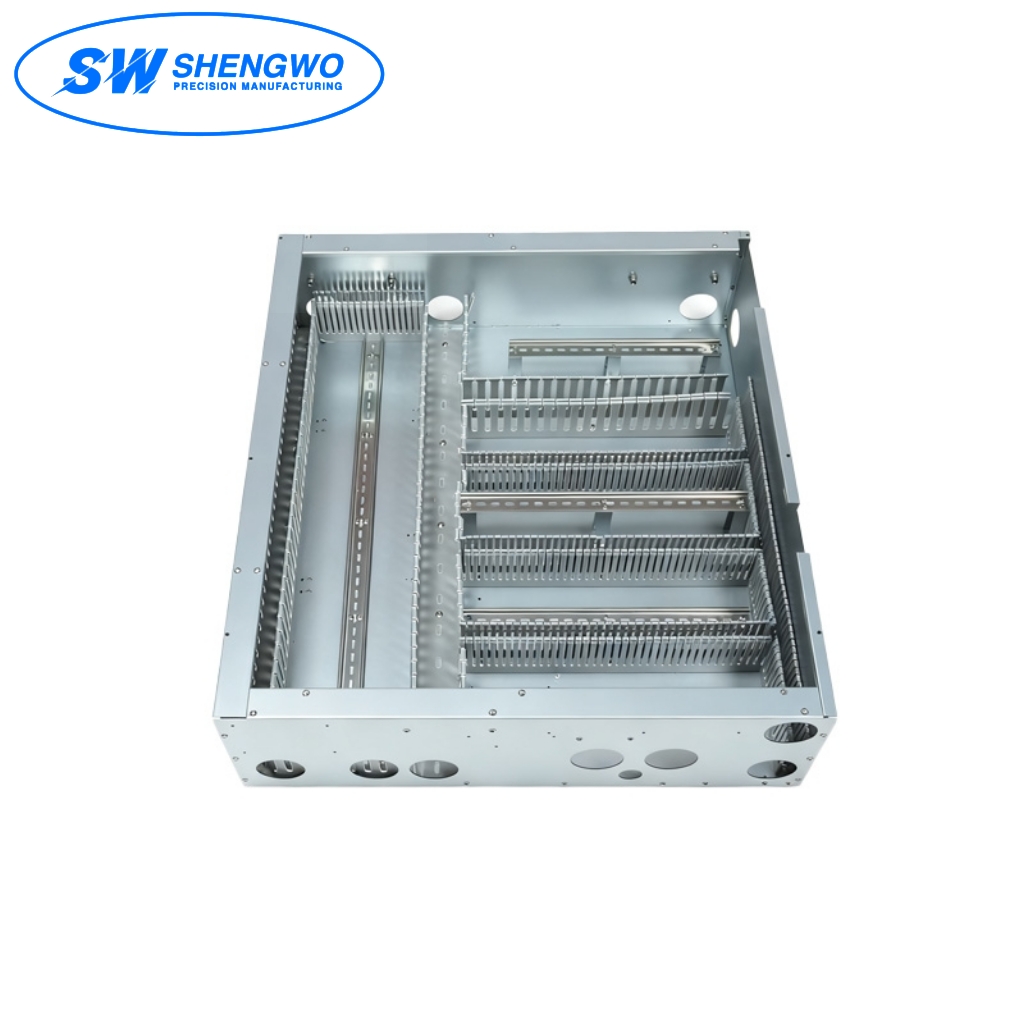
Industrial electrical panel enclosures are metal housings designed to contain electrical panels, control components, and power systems. Their primary function is to protect internal equipment from environmental exposure, mechanical damage, and unauthorized access.
Unlike consumer-grade cabinets, industrial enclosures are engineered for durability, load capacity, and compatibility with industrial electrical layouts. They are commonly used in automation, power distribution, and machinery control applications.
Electrical panel enclosures play a critical role in maintaining system reliability. Their functions include:
Shielding electrical components from dust, moisture, and debris
Supporting organized wiring and component installation
Improving operational safety and regulatory compliance
Allowing controlled ventilation and heat dissipation
Providing secure access for inspection and maintenance
These functions directly affect the stability and lifespan of industrial electrical systems.
Proper internal layout ensures efficient wiring, clear labeling, and safe spacing between components. Well-planned enclosures reduce installation time and simplify troubleshooting during maintenance.
Heat buildup is a common issue in electrical panels. Industrial enclosures may include ventilation louvers, fan mounts, or perforated panels to support airflow and thermal balance.
Doors, hinges, locking systems, and inspection windows are designed to provide controlled access while maintaining system security. Safety-focused designs help reduce operational risks.
Material selection depends on operating conditions and installation environments. Common materials include:
Carbon steel for indoor and controlled environments
Galvanized steel for improved corrosion resistance
Stainless steel for outdoor, humid, or corrosive conditions
Aluminum for lightweight structures and heat-sensitive systems
Each material offers different advantages in strength, durability, and maintenance requirements.
Modern manufacturing relies on laser cutting, CNC punching, and bending to achieve accurate dimensions and consistent quality. These processes ensure repeatability across different production volumes.
Structural welding and mechanical assembly provide rigidity and durability. High-quality workmanship ensures the enclosure maintains its shape and protective performance over time.
Surface treatments such as powder coating or industrial painting protect the enclosure from corrosion and wear while improving appearance and identification.
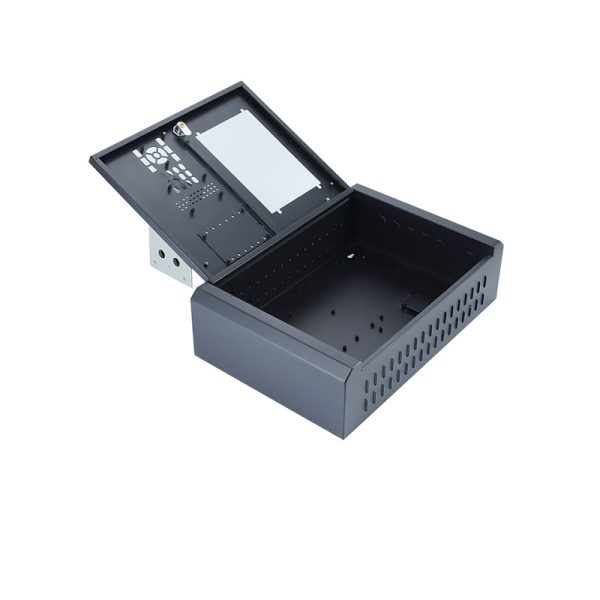
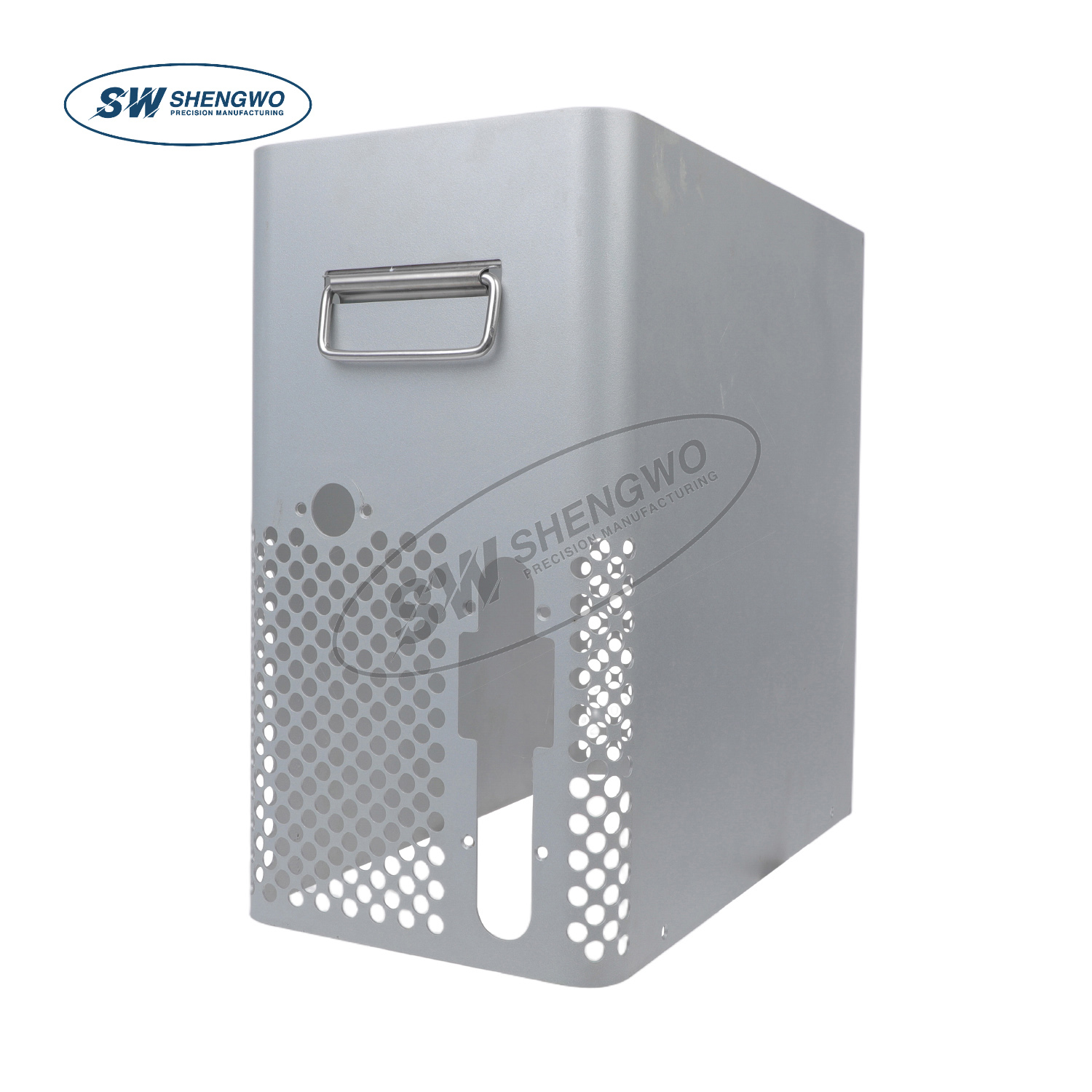
Industrial electrical panel enclosures are widely used in:
Power distribution and switchgear systems
Industrial automation and control panels
Machinery and production line equipment
Energy management and infrastructure projects
Commercial and industrial facilities
Their adaptability makes them suitable for both standardized and customized electrical systems.
For OEM manufacturers and industrial buyers, high-quality electrical panel enclosures provide several advantages:
Improved system reliability and safety
Better compatibility with custom electrical designs
Reduced installation and maintenance effort
Long service life under industrial conditions
Professional appearance for branded equipment
These benefits contribute to lower operational costs and improved end-user satisfaction.
When sourcing industrial electrical panel enclosures, buyers should consider:
Manufacturing capability and equipment
Experience with industrial electrical applications
Quality control and inspection processes
Flexibility for custom sizes and configurations
Ability to support long-term production and supply
A reliable supplier ensures consistency, compliance, and timely delivery.
The demand for industrial electrical panel enclosures continues to evolve with advancements in automation and smart systems. Trends include:
Modular enclosure designs for scalable systems
Improved thermal and airflow solutions
Enhanced durability for harsh environments
Integration with smart monitoring systems
Manufacturers who adapt to these trends are better positioned to support next-generation industrial projects.
Industrial electrical panel enclosures are used to protect electrical panels, control components, and power distribution systems from environmental factors such as dust, moisture, impact, and unauthorized access. They are commonly applied in factories, automation systems, and infrastructure projects.
Common materials include carbon steel, galvanized steel, stainless steel, and aluminum. The material choice depends on the installation environment, corrosion resistance requirements, and structural strength needed for the application.
Yes, industrial electrical panel enclosures can be customized in terms of size, internal layout, mounting structure, ventilation design, and surface finishing. Customization helps ensure compatibility with specific electrical systems and installation conditions.
Electrical panel enclosures support heat management through ventilation louvers, perforated panels, fan mounts, or space for cooling components. Proper thermal design helps prevent overheating and ensures stable operation of internal electrical equipment.
Industrial electrical panel enclosures can be designed for outdoor use by selecting corrosion-resistant materials and applying protective surface treatments. Weather-resistant designs help protect electrical components from rain, humidity, and temperature changes.
B2B buyers should evaluate manufacturing capability, material options, quality control processes, customization flexibility, and experience with industrial electrical applications. A reliable supplier ensures consistent quality and long-term support.
Well-manufactured industrial electrical panel enclosures are designed to meet relevant safety and industrial standards. Compliance depends on design specifications, material selection, and production quality.
The service life depends on material choice, surface treatment, and operating environment. Properly designed and maintained enclosures can provide long-term protection and reliable performance in industrial settings.
Yes, many industrial electrical panel enclosures are designed with modular layouts or spare space to allow future upgrades, component expansion, or system modifications without replacing the entire enclosure.
No. 8803 Zhuhai Road, LianWan Industry Park, Jinwan District, 519090 Zhuhai, Guangdong, China